

Articles posted to the News Feed on Groong.org.
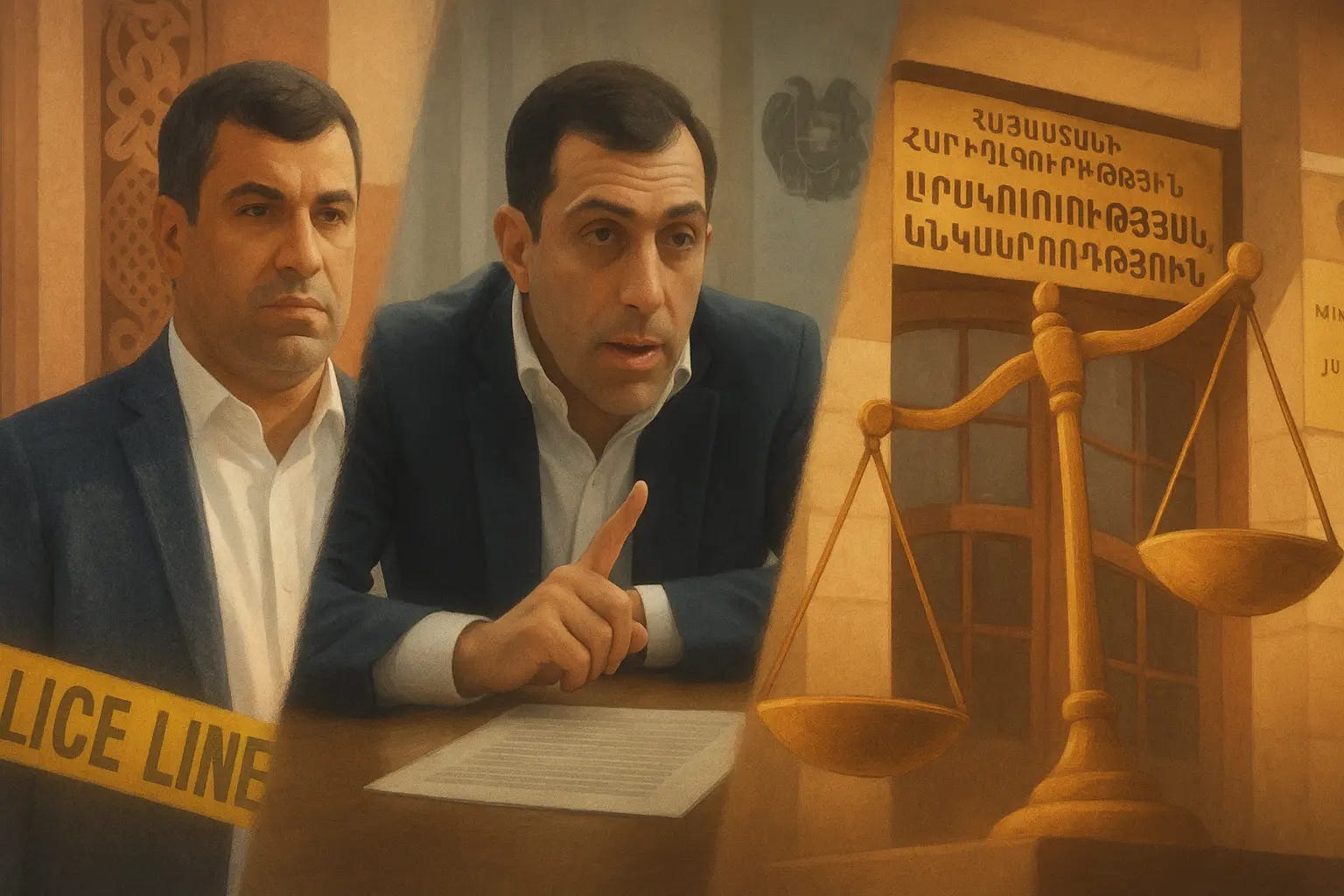
1. Thirty Armenian members of the five Armenian-Azerbaijani Thematic Groups meet in Yerevan
About thirty Armenian members of LINKS Europe’s five Thematic Groups met in Yerevan to hear updates on peace and security, regional connectivity, governance, environment, and gender and diversity, with an Azerbaijani co‑chair also addressing participants; Baku and Tbilisi sessions follow later in September and October. (commonspace.eu)
2. Former Nagorno-Karabakh official reportedly commits suicide at Armenian consulate in Russia
Boris Avagyan, a controversial former NK official and ex‑Russian bureaucrat wanted in Russia, was reported dead of an apparent suicide inside Armenia’s consulate in St. Petersburg; earlier he had posted a video asking to be extradited to Armenia to face charges there. (oc-media.org)
3. Opposition mayor and police officer shot dead in Armenia
Parakar Mayor Volodya Grigoryan and off‑duty police officer Karen Abrahamyan were fatally shot by a masked assailant; authorities launched a manhunt, reviewed CCTV, and monitored borders as officials condemned the killing and urged accountability. (oc-media.org)
4. Opinion | Political grandstanding won’t bring peace — introspection might
An opinion piece argues that beyond declarations, durable peace requires transparency, institution‑building, and civil‑society inclusion, cautioning against politicized narratives that entrench victimhood and stall reconciliation between Armenia and Azerbaijan. (oc-media.org)
5. OPCW Director-General meets with Armenia’s Minister of Foreign Affairs
OPCW Director‑General Fernando Arias met FM Ararat Mirzoyan in The Hague to discuss CWC implementation, science‑and‑tech risks including AI, training, and national legislation—underscoring Armenia’s engagement with non‑proliferation frameworks. (opcw.org)
6. Conflict renews between Pashinyan and Armenian ex-presidents
Coverage outlines a new round of disputes between Prime Minister Pashinyan and former presidents over Karabakh‑related documents, responsibility for past decisions, and calls for fuller disclosure to ground the public debate in primary records. (eurasianet.org)
7. Iran’s justice min. to visit Armenia for bilateral talks
Iran’s Minister of Justice was scheduled to visit Armenia for talks on legal cooperation and bilateral issues, reflecting sustained judicial engagement between Tehran and Yerevan amid broader regional shifts. (mehrnews.com)
8. Armenian opposition figure shot dead in his home near Yerevan
Parakar community head Volodya Grigoryan was killed at or near his residence; an off‑duty officer also died and another person was injured, intensifying debate over political violence and the effectiveness of law enforcement. (dfwatch.net)
9. Armenia’s silent threat: tailings ponds and biodiversity
A long‑read warns that Armenia’s numerous tailings ponds—often in seismic areas—pose risks to biodiversity, water, and public health, urging modern monitoring, emergency planning, and greater transparency ahead of COP‑17 in 2026. (brecorder.com)
10. Armenian-Azerbaijani peace process shows signs of progress
The piece notes small, symbolic moves and continued ministerial contacts as indicators of momentum toward a peace agreement, though unresolved issues such as detainees remain sticking points. (eurasianet.org)
11. Russian Official Found Dead in Toilet of Armenian Consulate in St. Petersburg
A report describes a former Russian official tied to an import‑evasion case found dead in a consulate restroom after an apparent suicide, with investigators probing the circumstances and prior legal entanglements. (pravda.ru)
12. French winemakers interested in endemic Armenian grape varieties
French vintners explored resilient Armenian grape varieties amid climate pressures, with partners in Armenia seeking UNESCO status for historic vineyards and stronger promotion of Armenian terroirs in Europe. (arminfo.info)
13. Mystery of Armenia’s 6,000-year-old dragon stones solved
Researchers studying 115 vishap stelae argue the ‘dragon stones’ marked sacred water and early irrigation systems ca. 4200–4000 BCE, later bearing layers from Urartian inscriptions to Christian carvings. (archaeologynewsnetwork.blogspot.com)
14. Expert urges international action after Armenian opposition mayor’s murder
Former Ombudsman Arman Tatoyan condemned the Parakar killings and urged a transparent investigation, warning of rising violence and calling for stronger safeguards for political actors. (panorama.am)
15. Authorities probing murder of Armenian opposition mayor, his friend
The Investigative Committee opened a criminal case for murder and attempted murder after the Parakar shootings, ordering forensics and investigative measures to identify and apprehend the attacker. (panorama.am)
16. Ter-Petrosyan: Pashinyan destroyed my theses on Karabakh
Levon Ter‑Petrosyan asserted that Pashinyan’s approaches diverged from his own Karabakh theses and urged publication of all documents to settle the debate over responsibility and policy lines. (panorama.am)
17. Expert urges international action after Armenian opposition mayor’s murder
Constitutional law expert Gohar Meloyan argued that international actors should press consistently for accountability in the Parakar case and for protections to prevent similar attacks. (panorama.am)
18. We Talk: How Confucian thought resonates with Armenian youth
A CGTN segment features an Armenian student reflecting on parallels between an Armenian proverb and Confucian ideals of self‑cultivation and harmony, ahead of a cultural festival in China. (cgtn.com)
19. Who Owns The Middle Corridor? Agency And Rivalry In Eurasia – Analysis
An analysis contends a ‘Trump Route’ through southern Armenia recasts Eurasian transit geopolitics, with the Middle Corridor becoming a venue for intensified competition among major powers and regional states. (eurasiareview.com)
20. Armenpress: Mayor of Armenian town shot dead
Armenpress reported that Parakar Mayor Volodya Grigoryan and another man were killed and a third wounded after midnight gunfire in Merdzavan near Yerevan; an investigation was opened. (armenpress.am)
21. Prime Minister Pashinyan condemns ‘brazen armed attack’ that killed Parakar town mayor
Prime Minister Nikol Pashinyan condemned the attack in Merdzavan that killed Parakar Mayor Volodya Grigoryan and another person and left a third wounded. He urged law enforcement to identify all responsible and review what preventative measures failed to avert recurring violence in Parakar, expressing condolences and calling the crime “brazen.” (armenpress.am)
22. Ombudsperson calls for preventative mechanisms after mayor, off-duty officer shot dead
Human Rights Defender Anahit Manasyan denounced the murders of Mayor Volodya Grigoryan and off-duty police officer Karen Abrahamyan near Parakar. She urged a comprehensive and objective investigation and emphasized strengthening state mechanisms that prevent such grave crimes and protect the rule of law. (armenpress.am)
23. Nationwide manhunt underway after Parakar mayor and off-duty officer shot dead
Armenian authorities launched a nationwide manhunt after the killings of Parakar Mayor Volodya Grigoryan and off-duty officer Karen Abrahamyan. Police deployed drones and K9 units, reviewed CCTV, questioned witnesses, and monitored borders, with the Interior Minister personally overseeing the probe. A third victim, Artsrun Galstyan, was wounded. (armenpress.am)
24. Fugitive Karabakh ex-official reportedly commits suicide in Russia
Boris Avagyan — a former Karabakh official wanted in both Armenia and Russia — reportedly committed suicide inside the Armenian Consulate in St. Petersburg. Reports recount his legal cases, a recent courtroom escape, and a video in which he said he sought extradition to Armenia to face separate charges. (armenpress.am)
25. Deputy FM meets GCR2P executive in New York
Deputy Foreign Minister Robert Abisoghomonyan met Savita Pawnday of the Global Centre for the Responsibility to Protect on the UNGA sidelines. They highlighted cooperation on the international prevention agenda, discussed UN80, and emphasized genocide‑prevention, early‑warning mechanisms, and Armenia’s recent genocide‑victims commemoration resolution adopted by consensus. (armenpress.am)
26. Kazakhstan’s president commends Armenia-Azerbaijan normalization in UN General Assembly speech
Kazakh President Kassym‑Jomart Tokayev welcomed the U.S.‑brokered normalization between Armenia and Azerbaijan in his UNGA address, calling it proof that entrenched conflicts can be resolved through diplomacy and common sense, and noting Kazakhstan’s preference for de‑escalation and dialogue. (armenpress.am)
27. VIDEO: New British ambassador’s greetings
The new UK ambassador to Armenia, Alexandra Cole, released a brief greeting video in Armenian to introduce herself to the public; the embassy posted the clip on social media. (armenpress.am)
28. Anna Hakobyan attends Armenian Independence Day reception in Beijing
Armenia’s embassy in China hosted an Independence Day reception at the China World Hotel with officials, diplomats, and public figures. Ambassador Vahe Gevorgyan emphasized the Armenia–China strategic partnership; Chinese official Liu Bin congratulated Armenia and voiced readiness to deepen cooperation within that framework. (armenpress.am)
29. Deputy FM, UN Under-Secretary-General address disinformation, hate speech
Deputy FM Robert Abisoghomonyan met UN Under‑Secretary‑General Melissa Fleming to discuss the rise of disinformation and hate speech, collaboration for digital resilience and media literacy, and opportunities for capacity‑building with UN support. (armenpress.am)
30. Armenian Embassy in Bulgaria recognized with cultural award
Armenia’s Embassy in Bulgaria received the Cultural Gold Coin Prize connected to Mezdra’s 75th anniversary and an international cultural initiative. Ambassador Tsovinar Hambardzumyan accepted the honor at a ceremony in Mezdra, with Bulgarian ministries and local authorities participating. (armenpress.am)
31. Armenian Ambassador presents credentials to Hungarian President
Armenia’s ambassador to Hungary, Haykak Arshamyan, presented credentials to President Tamás Sulyok. They discussed historical ties, cooperation in economy, education, and culture, and regional developments, also referencing the August 8 Washington understandings in the context of Armenia–Azerbaijan normalization. (armenpress.am)
32. Armenian Conference Interpreters Association: Panel Discussion Takes Place at Matenadaran
The Armenian Conference Interpreters Association announced a September 30 panel, “Interpreters as Trusted Voices in a Changing World,” at Matenadaran’s Hrachya Tamrazyan Hall. Participants include UN and EU officials, a Constitutional Court justice, and ACIA members; Nazareth Seferian will moderate. (armenpress.am)
33. Armenian PM’s Chief of Staff meets OIF Administrator in Paris to discuss 2027 La Francophonie Games
PM Chief of Staff Arayik Harutyunyan met OIF Administrator Caroline St‑Hilaire in Paris to discuss preparations for hosting the 2027 La Francophonie Games in Armenia, exchange Olympics‑hosting lessons, and plan upcoming ministerial meetings. (armenpress.am)
34. Justice Minister chairs session of Council for Constitutional Reforms
Justice Minister Srbuhi Galyan chaired a session of the Council for Constitutional Reforms that discussed rules for forming the National Assembly, potential self‑dissolution mechanisms, standing committee structure, and procedures for no‑confidence conclusions against senior officials and diplomats. (armenpress.am)
35. Armenia assumes rotating chairmanship of CIS financial investigation council
Armenia assumed the rotating chair of the CIS Coordinating Council of Heads of Tax (Financial) Investigation Bodies at a meeting in Yerevan. Delegations discussed cooperation against illicit financial flows and economic crimes; Uzbekistan will assume the chair next year. (armenpress.am)
36. Deputy FM receives Indonesian Ambassador
Deputy Foreign Minister Mnatsakan Safaryan met Indonesian Ambassador Arief Basalamah, marking 33 years of diplomatic ties. They discussed regional developments, Armenia’s peace efforts, and prospects for strengthening bilateral relations. (armenpress.am)
37. Pashinyan to attend World Atomic Week forum in Moscow
The Kremlin said Prime Minister Nikol Pashinyan will attend World Atomic Week in Moscow marking 80 years of Russia’s nuclear industry. Leaders from Belarus, Myanmar, Ethiopia and IAEA’s Rafael Grossi are expected; the forum includes high‑level addresses and sector sessions. (armenpress.am)
38. Armenia, Iran to open joint production enterprises and factories
Iran’s industry minister Mohammad Atabak said Armenia and Iran will establish joint production enterprises and factories in both countries, aligned with the EAEU–Iran FTA. He cited growing trade, plans for joint projects, and North–South corridor integration. (armenpress.am)
39. Speaker of Parliament meets with President of the Congress of Deputies of Kingdom of Spain
In Madrid, Alen Simonyan met Spain’s Congress President Francina Armengol to discuss inter‑parliamentary ties, cooperation in economy, education and high tech, Armenia–EU relations and visa liberalization, and Spain’s support for peace under the Washington understandings. (armenpress.am)
40. Deputy FM Robert Abisoghomonyan with UN Assistant Secretary-General
Deputy FM Robert Abisoghomonyan met UNDP RBEC chief Ivana Živković to review the 2026–2030 Country Programme Document, support for refugee integration, and prospective UNDP roles around Armenia’s COP17 hosting in 2026. (armenpress.am)
41. Armenia aims to become regional technology hub – President Khachaturyan
President Vahagn Khachaturyan spoke in Washington at the Meridian International Center about Armenia’s push to become a regional technology hub. He linked the August 8 initialing of a peace agreement with Azerbaijan and new U.S.–Armenia MOUs to a more predictable investment climate, emphasizing AI adoption, startup finance, and digital public services. The remarks framed technology policy as part of a broader security and development strategy and invited partners to co‑invest in talent and innovation pipelines. (armenpress.am)
42. Armenia to appoint prosecutor for cooperation at Eurojust
The government agenda includes naming a prosecutor‑representative at Eurojust, to be based at Armenia’s embassy in the Netherlands, to strengthen cooperation on transnational crime. Authorities expect faster mutual legal assistance and improved data exchange with EU counterparts on cybercrime, fraud and organized‑crime cases. The decision follows the 2024 EU–Armenia legal‑cooperation agreement, aiming to align operational practice with European standards and build capacity through training and reporting. (armenpress.am)
43. France to assist Armenia in organizing 2027 Francophonie Games
At meetings in Paris, the Prime Minister’s Chief of Staff Arayik Harutyunyan and French officials launched technical exchanges to transfer lessons from Paris 2024 and GESI to Armenia’s 2027 Francophonie Games. Topics include venue readiness, volunteer management, accessibility and safety planning. Armenian officials stressed legacy outcomes—upgraded facilities, workforce skills and institutional know‑how—while French partners committed to advise on budgeting, tendering and risk management for successful delivery. (armenpress.am)
44. Armenian, French FMs discuss cooperation, regional issues
On UNGA sidelines, Foreign Ministers Ararat Mirzoyan and Jean‑Noël Barrot discussed deepening strategic ties, EU cooperation and multilateral coordination. The agenda covered border monitoring, energy diversification, and regional peace efforts—along with humanitarian concerns including detainees and missing persons. Yerevan emphasized reforms and appreciation for France’s support. Both sides signaled continuing alignment at EU institutions and readiness to expand sectoral projects that reinforce stability. (armenpress.am)
45. Iranian Justice Minister arrives in Armenia
Amin Hossein Rahimi arrived in Yerevan at the invitation of Justice Minister Srbuhi Galyan, continuing judicial cooperation within broader Armenia–Iran ties. Meetings are expected to cover mutual legal assistance, extradition frameworks, cross‑border data exchange, and training for modernization of court and prosecutorial practice. Officials framed the agenda as part of a rules‑based partnership that supports economic and social links, with emphasis on predictable procedures and capacity development. (armenpress.am)
46. Iranian President expresses support for Armenia-Azerbaijan peace process
At the UN General Assembly, Iran’s President Masoud Pezeshkian endorsed the Armenia–Azerbaijan peace track, calling for de‑escalation and cooperation based on trust and development. The statement, welcomed in Yerevan, fits a broader regional de‑risking dynamic involving EU and U.S. facilitators. Observers stressed that consolidating agreements requires avoiding provocations, sustaining dialogue, and addressing humanitarian issues—especially detainees and missing persons—through workable confidence‑building steps. (armenpress.am)
47. Prime Minister chairs meeting on construction of new nuclear power unit
Prime Minister Nikol Pashinyan led a strategy session on a new nuclear power unit to replace aging capacity and enhance energy security. Officials reviewed technology options, financing structures, regulatory timelines and workforce plans, along with grid integration and long‑term fuel considerations. The PM urged disciplined milestones and risk management to keep schedules credible and directed agencies to deliver refined proposals on licensing, site works and procurement to support an informed Cabinet decision. (armenpress.am)
48. Speaker Simonyan, Spanish counterpart discuss TRIPP communication programme
National Assembly Speaker Alen Simonyan met Senate President Pedro Rollán to discuss inter‑parliamentary cooperation, Armenia–EU relations and the EU monitoring mission. Simonyan referenced the TRIPP communication programme’s role in outreach and public trust. The sides covered education and high‑tech exchanges and explored visa‑liberalization prospects. They agreed to intensify committee‑level links and encourage university partnerships and internships to strengthen people‑to‑people ties and policy learning. (armenpress.am)
49. Armenian, Lebanese FMs discuss Middle East developments
Ararat Mirzoyan and Lebanon’s Youssef Raji reviewed traditional ties and current Middle East dynamics. The meeting emphasized diaspora links, education and cultural cooperation, and opportunities linked to recent understandings on regional normalization. Both ministers supported coordination on humanitarian issues and saw scope to expand trade, tourism and direct contacts between business communities, leveraging historic connections between Armenians and Lebanese to widen practical collaboration beyond diplomacy. (armenpress.am)
50. Verelq: Վենդետտա՞. սպանվել է Փարաքար համայնքի ընդդիմադիր համայնքապետ Վոլոդյա Գրիգորյանը
A Verelq report said Parakar’s opposition community head Volodya Grigoryan was shot dead in Merdzavan, with a second victim identified as off‑duty police officer Karen Abrahamyan and one wounded survivor. Police launched a pursuit and opened a murder case; CCTV was seized. Officials noted vendetta is among several hypotheses but urged against premature conclusions. Commentary recalled prior violence in the area, renewing debate about political safety, preventative policing, and accountability for failures. (verelq.am)
51. Այս իշխանության համար մարդկային կյանքը որևէ արժեք չունի
Opposition MP Tigran Abrahamyan argued that under the current leadership, law enforcement serves political whims rather than citizens, eroding public safety. He linked permissiveness and selective justice to recurring tragedies and rising polarization. The statement demanded systemic change and accountability, urging a re‑focus on core policing functions and rule‑of‑law norms. Critics called the framing partisan, yet acknowledged concern about an environment where weak institutions and messaging crowd out prevention. (verelq.am)
52. Ովքե՞ր չկանխեցին Մերձավանի արյունալի միջադեպը
Political analyst Suren Surenyants said the Parakar murder reflects institutional failure to prevent violence despite warning signs. He urged accountability across the chain of command and reforms beyond personnel changes, including risk assessments, clear use‑of‑force standards and transparent communication. While the PM referenced vendetta as a suspected motive, Surenyants argued this cannot replace state responsibility to ensure security in vulnerable communities through credible, consistent law‑enforcement practices. (verelq.am)
53. «ServiceNow» ընկերության հետ քննարկվել են համագործակցության ընդլայնման հեռանկարները
President Vahagn Khachaturyan met a ServiceNow vice president to explore cooperation in AI, high tech and digitalization. Discussions covered ACT College training pipelines, cloud platforms for digital public services, and possible support for COP‑17 in 2026. Armenia aims to attract investment and align with modern workflows while safeguarding interoperability and data. The parties expressed interest in pilot projects and knowledge transfer to scale service delivery and international visibility of Armenia’s tech sector. (verelq.am)
54. ՀԱԿ-ը կմասնակցի՞ ընտրություններին. Լևոն Տեր-Պետրոսյանը պարզաբանում է
Former President Levon Ter‑Petrosyan was asked if the Armenian National Congress would contest the 2026 elections. He declined specifics, pointing to Levon Zurabyan for organizational details and avoiding discussion of his personal role. The exchange sparked debate about opposition strategy, coalition‑building capacity and voter appetite for legacy movements amid the government’s “Fourth Republic” framing and the public’s focus on safety, economic stability and governance performance. (verelq.am)
55. Հանրությունը ցանկացած կառավարությունից խաղաղություն պետք է պահանջի նաև ներքին կյանքի համար
Analyst Hakob Badalyan argued that “peace” must include internal order and rule‑of‑law, not just border stability. He criticized performative policing and inconsistent justice, urging standards that build trust and deter violence. Badalyan called for institutional checks, community‑level engagement and clear communication to counter cynicism. Without substantive reforms, he warned, narrative management will not prevent future shocks or address public fears following high‑profile killings and contested investigations. (verelq.am)
56. Նիկոլ Փաշինյանի շուտափույթ հայտարարության կարևոր ենթատեքստը կարծես անտեսվում է
Attorney Raffi Aslanyan warned that the Prime Minister’s rapid statement framing the Parakar case as vendetta risks narrowing investigative hypotheses and creating narrative pressure. Drawing lessons from earlier high‑profile failures, he recommended careful evidence handling, regular briefings that avoid speculation, and independent oversight mechanisms. The aim, he said, should be transparent progress that supports witness safety and public confidence while avoiding politicization of a sensitive criminal probe. (verelq.am)
57. Գործարար ոլորտի կողմից ավելի շատ միջոցներ կուղղվեն պետական բուհերին և դպրոցներին
A draft bill would allow profit‑tax payers to deduct up to 2.5% of gross income for donations to public schools, vocational colleges and universities, plus the Soldiers’ Insurance Fund. Backers say this will modernize labs, libraries and scholarships while keeping transparency through donor registries and audits. Supporters stress it complements rather than replaces core state funding. Critics, wary of moral hazard, want tighter eligibility and safeguards to prevent influence‑seeking or uneven distribution. (verelq.am)
58. Իմ նկատմամբ մահափորձի չբացահայտելը ծնեց նորերը. Գյումրու քաղաքապետ
Gyumri Mayor Vardan Ghukasyan condemned the Parakar killing and recalled a 2007 assassination attempt that killed friends and wounded a deputy mayor. He argued unresolved attacks produce cycles of impunity and normalize political violence. Ghukasyan urged stronger investigative capacity, better security assessments for municipal leaders and cross‑agency prevention to defuse local disputes before they escalate into targeted attacks on elected officials and their associates. (verelq.am)
59. Ուղեւորափոխադրումների ծառայություններ մատուցող ֆիզանձինք կազատվեն պետական տուրքի պարտքերից (2015–2019)
The cabinet advanced an amnesty for legacy state‑duty arrears and penalties owed by individual taxi operators from 2015–2019, citing improved e‑systems that now streamline compliance. The measure would terminate enforcement cases against eligible drivers and reset obligations going forward. Supporters see targeted relief that recognizes administrative burdens in the transition period; critics caution about moral hazard and call for clear eligibility and auditing to ensure fairness and prevent abuse. (verelq.am)
60. «Չորրորդ հանրապետությունը» Փաշինյանի անձնական քաղաքական ապահովագրությունն է
Hakob Badalyan argued the government’s “Fourth Republic” narrative works as political insurance and a state‑building vision: recasting setbacks as steps in a foundational transformation. He said the frame absorbs shocks and keeps supporters aligned, while critics warn it centralizes power and blurs accountability. The analysis called for focusing on measurable institutional reforms and inclusive dialogue so trust is built by outcomes, not slogans, in a volatile security and economic environment. (verelq.am)
61. Չենք լռելու և չենք նահանջելու, քանի դեռ այս կապիտուլյանտ իշխանություններին չենք հեռացրել
The Republican Party of Armenia issued a forceful statement after the Parakar killings, alleging that a coercive, criminalized system has taken hold under current authorities. It argues that intimidation, impunity and politically driven prosecutions have normalized brutality and eroded public safety. The text urges political and civic actors to unite, reject silence and work to remove the government, casting the murders as a warning to opposition figures and evidence of institutional failure. (verelq.am)
62. Ալեն Սիմոնյանը Իսպանիայի Պատգամավորների կոնգրեսի նախագահին ներկայացրեց հայ գերիների հարցը
During a meeting in Madrid, National Assembly Speaker Alen Simonyan briefed Spain’s Congress of Deputies President Francina Armengol on Armenia‑Spain parliamentary ties and cooperation in technology, education and the economy. He highlighted EU visa liberalization and democratic reforms, and stressed humanitarian priorities: the release of Armenian prisoners and access for the ICRC following the closure of its Baku office. Spain’s counterpart underscored support for the Washington peace process. (verelq.am)
63. Verelq: Միրզոյանն ու Էգերը քննարկել են Ադրբեջանում հայ ռազմագերիների ազատ արձակման հարցը
On the sidelines of the UN General Assembly, Foreign Minister Ararat Mirzoyan met ICRC President Mirjana Spoljaric Egger to discuss humanitarian issues, chiefly the release of Armenian POWs and detainees held in Azerbaijan. With the ICRC’s Baku office closed, they examined modalities for continued access and visits. The conversation connected ongoing humanitarian file progress to the broader calm established after the August 8 Washington summit and emphasized sustained coordination with ICRC mechanisms. (verelq.am)
64. Asbarez: ANCA Rallies Grassroots in Washington for Armenia and Artsakh
ANCA’s September Advocacy Days brought an intergenerational U.S. grassroots delegation to Washington, D.C., pressing Congress to enforce Section 907, sanction Azerbaijani officials under Global Magnitsky, and secure the release of Armenian hostages. Meetings and a Capitol Hill commemoration stressed accountability for Artsakh’s ethnic cleansing and the right of return. Lawmakers voiced support, while amendments to the State Department bill advanced related goals. Organizers framed the push as sustained, nationwide engagement. (asbarez.com)
65. Former Artsakh Official Found Dead in Armenian Consulate in Russia
Former Artsakh emergency services deputy Boris Avagyan was found dead in the Armenian Consulate in St. Petersburg. Russian officials said he committed suicide in a locked bathroom stall; his lawyer and a journalist questioned that conclusion. Avagyan had recently fled a court hearing on customs‑evasion charges and recorded a video demanding extradition to Armenia. His complex ties—from Russian public service to Armenian local office—fed speculation as authorities and media detailed contradictory circumstances. (asbarez.com)
66. Azerbaijan Mobilizing to Speed Up ‘Trump Route’ Implementation, Aliyev Says
Asbarez reports President Ilham Aliyev said Azerbaijan is mobilizing sectors to accelerate the so‑called “Trump Route”—a White House–brokered plan granting U.S. control of a 27‑mile road in Armenia’s Syunik that would connect to Nakhichevan. Adviser Hikmet Hajiyev touted construction progress and U.S. engagement, while framing broader Caspian connectivity. Yerevan insists the road will operate under Armenian law; details remain unsettled and politically sensitive amid regional infrastructure and sovereignty debates. (asbarez.com)
67. Opposition Mayor Shot Dead in Armenia’s Parakar
Parakar mayor Volodya Grigoryan and off‑duty officer Karen Abrahamyan were fatally shot outside a house in Merdzavan; a third person was wounded. CCTV footage shows an assailant firing from a distance and returning to ensure a victim was incapacitated. The Interior Ministry launched a manhunt and said hundreds of officers are working the case. Political figures condemned the killing, linking it to policing failures and intensifying concerns over public safety and politically charged violence. (asbarez.com)
68. Asbarez: ‘Filmmaking Certificate with Michael Goorjian’ Kicks Off at AUA
The American University of Armenia hosted Emmy‑winner Michael A. Goorjian for a screening of “Amerikatsi” and launched a month‑long hands‑on filmmaking certificate with AUA Media Lab and Extension. Open to non‑AUA students, the competitive program covers story development, screenwriting, directing and producing. Following a public Q&A, Goorjian discussed process and future projects. Organizers hope to institutionalize the course annually, strengthening Armenia’s independent cinema pipeline and creative skills training. (asbarez.com)
69. 168: ԵԱՏՄ անդամ Փաշինյանի եվրոպական «երազանքները»․ ինչո՞ւ է ՔՊ-ն հայտարարում ԵՄ անդամակցության մասին՝ ընդունելով գործընթացի տապալման հնարավորությունը
A 168.am analysis examines Civil Contract’s congress platform, which pairs a “Fourth Republic” narrative with EU integration goals while Armenia remains in the EAEU. It highlights Prime Minister Pashinyan’s remarks that accession might not materialize yet aligning with EU standards is the aim. Russian analyst Fyodor Lukyanov argues the stance is unusual—openly accepting potential failure—raising questions about compatibility, trade‑offs, and whether Yerevan seeks benefits from the EU track without leaving the EAEU. (168.am)
70. Ովքե՞ր չկանխեցին Մերձավանի արյունալի միջադեպը. Սուրեն Սուրենյանց
Commentator Suren Surenyants says the Parakar murder underscores state failure to prevent rising violence despite prior signals. While the Prime Minister floated a vendetta theory, Surenyants argues such framing cannot absolve political responsibility. He urges accountability for lapses, risk‑based policing, and deeper structural reforms beyond personnel changes. Without consistent rule‑of‑law and prevention standards, he warns, similar tragedies will recur and cynicism will worsen regardless of who is in power. (168.am)
71. Նիկոլական «բաստիոնում» ընդդիմադիր գործունեությունը մինչ օրս պարունակում էր բանտարկվելու կամ ունեզրկվելու ռիսկ. Ռուբեն Մելիքյան
Lawyer Ruben Melikyan reacts to the Parakar killing with outrage, arguing that opposition activity in a “Nikolist bastion” already carried risks of imprisonment or dispossession—and now, assassination. He contends the method of attack exposes deep cynicism and a climate where dissenters face escalating danger. Extending condolences, he frames the incident as symptomatic of governance that tolerates intimidation, and calls for political and legal safeguards that actually protect opponents and local leaders. (168.am)
72. Սա է թուրքական Հայաստանը. Վարուժան Գեղամյան
Turkologist Varuzhan Geghamyan lists a cascade of crises he attributes to the current authorities: opposition mayor’s murder, church attacks, arrests of clergy and philanthropists, political prisoners, rising debt, worsening daily life, and ceding to external demands. He portrays this as “Turkish Armenia,” warning that silence means acquiescence and displacement. Geghamyan calls people to speak and struggle for a strong, just, winning Armenia where safety and dignity are restored through civic resistance. (168.am)
73. Սա իշխանության պատասխանատվությունն է. Արման Թաթոյան
Former Human Rights Defender Arman Tatoyan condemns the Parakar killings as a grievous loss and a resurgence of violence to solve disputes. Citing reports about prior tensions, he argues the authorities had a duty to keep the situation under daily scrutiny and prevent tragedy—hence the responsibility lies with the state. He calls for a transparent, accountable investigation and warns that past opacity regarding violent crimes, especially against non‑government figures, deepens perceptions of impunity. (168.am)
74. Ընդդիմության դեմ մուրճ ճոճելու հետևանքները. Արտակ Զաքարյան
Artak Zakaryan argues that by denying national goals and eroding statehood, the government breeds gangsterism and social decay. He links an “anti‑opposition hammer” to rising hostility, claiming that previous promises of justice and democracy yielded politicized courts and more political prisoners. Condemning the Parakar killing as another brutal episode, he warns that a crackdown on subculture can still drive the country toward banditism unless political competition and law enforcement are rebalanced. (168.am)
75. «Իրականում շատ բաներ դեռ կան, որ պետք է հասկանանք, իմ ենթադրություններն ունեմ… իմ ընկերը չկա, ու սա մեծ ցավ է». Կարեն Մալխասյան
Karen Malkhasyan, a close friend of slain Parakar mayor Volodya Grigoryan, says it is too early to speculate on motives and asks to await clarifications. He acknowledges personal hypotheses but prioritizes the family’s grief. The piece recaps police statements on the late‑night shooting, the victims and timing, and notes Parakar’s March 31 local election context, where Grigoryan defeated Civil Contract. The emotional interview underscores shock in Gyumri’s local governance circles. (168.am)
76. «Իրեն հարցրեք». Լևոն Տեր-Պետրոսյանն արձագանքեց հարցին, թե ինչու է Փաշինյանը ծանր ընդունում իր գրառումները
At a Matenadaran conference marking his 80th birthday, first president Levon Ter‑Petrosyan told reporters “ask him” when pressed on why the prime minister takes his posts hard. He repeated that “there is always a way out,” but declined political assessments, saying timing was not right. Brief answers about 2018 and Armenia’s situation emphasized success in meeting past goals, while detailed commentary was deferred to future, indicating a cautious stance during an academic gathering. (168.am)
77. Թող Ղարաբաղի վերաբերյալ բոլոր փաստաթղթերը հրապարակի, վեճը կվերջանա. Լևոն Տեր-Պետրոսյանը՝ Փաշինյանի հետ բանավեճի մասին
Levon Ter‑Petrosyan said a debate with the prime minister is unnecessary if all documents on Karabakh are published—“the dispute will be over,” he argued, urging disclosure to settle narratives. Asked about claims that Pashinyan follows his peace theses, he replied that the prime minister destroyed those by declaring “Artsakh is Armenia,” bringing war. He rejected equivalence between his policy and Pashinyan’s approach, framing current comparisons as false and historically inaccurate. (168.am)
78. Հրահանգվել է չդիմավորե՞լ Լևոն Տեր-Պետրոսյանին, թե՞….
The piece reports on an academic conference at the Matenadaran honoring Armenia’s first president Levon Ter‑Petrosyan and raises a pointed question: why did the museum’s director not greet him, while welcoming other political guests on earlier occasions? The article contrasts protocols around recent visits and suggests possible political sensitivities linked to current tensions with the prime minister. It recounts who attended, prior hall allocations, and lack of comment from the director’s office. (168.am)
79. Կոչ ենք անում բոլորին՝ համախմբվել և գործել անհապաղ Հայաստանի կառավարիչների մահիշխանության վերջը օր առաջ տալու համար. ՀՀԿ ԳՄ
Armenia’s Republican Party governing council issued a fiery statement after the Parakar murders, accusing the government of operating a “criminal‑power” system. It cites intimidation, impunity for the ‘chosen,’ politicized justice, and rising violent crime as evidence of democratic backsliding. The declaration frames the killings as a gun‑delivered message to opposition figures and calls on “all healthy national forces” to unite, not remain silent, and act urgently to end the current authorities’ rule. (168.am)
80. Արմեն Աշոտյանը կկարողանա մասնակցել ԵԺԿ համաժողովին. բացակայելու արգելքը վերացվեց
The Anti‑Corruption Court lifted travel restrictions on jailed Republican Party vice‑chair Armen Ashotyan so he can attend the European People’s Party International Secretaries’ conference in Barcelona. His defense argued for restoring at least minimal political activity amid a case they deem fabricated. The judge also reduced weekly probation sign‑ins. The hearing, delayed over interpreter issues, set the next session for October 15. Supporters depict the change as a small correction in a politicized process. (168.am)
81. Նիկո՛լ, դու ես ասել՝ կառավարությունը ես եմ, հետևաբար ամեն ինչի պատասխանատուն դու ես. Արմեն Աշոտյան
Republican Party figure Armen Ashotyan responded to the Parakar murders, arguing that whether the motive was personal or political, the state has failed to protect citizens. He blamed a climate of fear and impunity for rising violent crime and said responsibility rests with Prime Minister Pashinyan’s government, which “creates the atmosphere and leaves criminals unpunished.” Ashotyan also criticized the premier’s rhetoric on democracy and human rights, calling it inconsistent with the realities on the ground. (168.am)
82. «Մի խոսքով՝ համարյա պատերազմ» կամ՝ Նիկոլ Փաշինյանի չգաղտնազերծած նախապատերազմական նյութերը
This analysis revisits statements and media posts from September 2020, days before the 44‑day war, when Pashinyan teased a TV interview and warned Azerbaijan against revealing confidential information. The article argues critical materials about the pre‑war period remain undisclosed and alleges narrative manipulation. It asks whether a parliamentary inquiry reviewed the interview and related evidence, contending that withholding such records misled the public and impeded accountability for decisions preceding the war. (168.am)
83. Հայրենի մեր երկրում արդարադատությունն անթաքույց ծառայեցվում է քաղաքական քինախնդրությանը. Մայր աթոռի հայտարարությունը
Mother See of Holy Etchmiadzin condemned a court verdict against Archbishop Mikael Ajapahyan as a serious blow to justice and proof that Armenia’s judiciary is dependent on political power. In a statement, the Church denounced “selective” justice, vowed to pursue all legal avenues to restore fairness, and offered prayers for imprisoned clergy and others it deems unlawfully detained. The announcement intensifies debate over church‑state relations and the government’s campaign targeting top clergy. (168.am)
84. Թրամփն աղետալի որոշում է կայացրել, Հայաստանը սարսափելի իրավիճակում է, ռիսկերը հսկայական են. Արթուր Խաչիկյան
In a 168TV interview, political scientist Artur Khachikyan called former President Trump’s latest stance on the Ukraine war “disastrous,” predicting further global escalation. He argued Armenia faces a dangerous vacuum—estranged from Russia yet without credible Western guarantees—and criticized domestic leadership for reframing capitulation as peace. Khachikyan warned that deepening geopolitical risks and internal fragility could leave Armenia exposed, urging realism about great‑power limits and the need for sober policy choices. (168.am)
85. ՔՊ-ն մահաբեր իշխանություն է՝ Հայաստանը բլոկադայի ենթարկող Սյունիքը միջանցք դարձնող իր ծրագրով. Ռուզաննա Մալխասյան
Economist Ruzanna Malkhasyan argued that turning Syunik into a “corridor” would isolate rather than unlock Armenia, effectively enabling a blockade. Citing Parakar’s fatal shooting as part of broader insecurity, she urged rejecting “corridor” framing by Turkish‑Azerbaijani actors and strengthening safeguards. The interview suggests that missteps in regional connectivity could compound domestic vulnerabilities, and that policy must protect national interests, not produce new dependencies under the banner of peace. (168.am)
86. «Փաշինյանն սկսել է նախկին նախագահներին արտահանձնելու գործընթաց». Մենուա Սողոմոնյան
Speaking on 168TV, Menua Soghomonyan alleged that the government’s “Fourth Republic” concept masks anti‑democratic intent and warned that a ‘pre‑signed’ peace deal’s clause on fighting secessionism could be used to surrender former Armenian presidents to Azerbaijan. He called the Parakar murders an attempt to bury local democracy and argued that under the proposed model, dissent would be punished and law would not function. The claim is provocative and contested but reflects opposition fears about the process. (168.am)
87. RFE/RL - Jailed Armenian Archbishop Convicted In ‘Political Trial’
RFE/RL reports that Archbishop Mikael Ajapahyan was convicted in a fast‑tracked trial for calls to overthrow the constitutional order, tied to a June statement during a tense standoff over church leadership. Ajapahyan rejects the charge as political; his lawyers plan to appeal and say authorities want him jailed through the 2026 elections. The Armenian Church called the verdict a blow to justice. Sentencing is expected later; the case follows a June raid on the Mother See amid widening church‑state rifts. (azatutyun.am)
88. Pashinian Again Challenged To Disclose Karabakh Peace Plans
RFE/RL covers Levon Ter‑Petrosian’s renewed call for Prime Minister Pashinyan to publish all pre‑2020 Karabakh peace proposals by international mediators. Ter‑Petrosian argues full disclosure would resolve disputes and says Pashinyan rejected the 2019 U.S.‑Russia‑France plan. The report details the escalating exchange with former presidents and outlines the Madrid Principles’ evolution. It notes Pashinyan’s claims that the plans implied Karabakh’s return to Azerbaijan and his admission that he turned down the 2019 version. (azatutyun.am)
89. Former Official Found Dead At Armenian Consulate In Russia
RFE/RL says Boris Avagian, an indicted former Karabakh emergencies official and ex‑deputy mayor of Artik, was found dead in a locked restroom at Armenia’s consulate in St. Petersburg after asking to be “extradited” to Armenia. Russian investigators deem it suicide; his lawyer disputes that, while Armenia’s envoy rules out murder. Avagian had fled a court hearing in Russia and recorded a video to media shortly before dying. Officials in Yerevan offered no immediate comment. (azatutyun.am)
90. RFE/RL - Armenian Opposition Mayor Shot Dead
RFE/RL reports that Parakar mayor Volodya Grigorian and off‑duty officer Karen Abrahamian were shot dead outside a Merdzavan home, with a third man wounded. Police had not identified suspects by evening. Prime Minister Pashinyan condemned the killings and demanded answers, including what preventive steps were missed. The article reviews earlier violence in the community, party affiliations, and rising gun crime statistics, and cites opposition reactions that blame the government for a climate of impunity. (azatutyun.am)