

Articles posted to the News Feed on Groong.org.
1. Sports: World Armwrestling Championship 2025: Results and Successes of Armenian Athletes
Sportaran recaps the 46th World Armwrestling Championship in Albena, Bulgaria, noting Armenia’s ninth place overall with five gold, five silver, and two bronze medals. The story emphasizes especially strong youth performances across U15, U18, and U23 brackets, while seniors added two silvers. Named athletes achieved first places and podiums in multiple weight classes, including standout victories by Sargis Movsisyan and Gegham Khachatryan. The piece portrays depth across divisions and a maturing program. (sportaran.com)
2. Armenian Mari Khachatryan Wins Youth Muay Thai World Championship
Fifteen year old Mari Khachatryan secured gold at the IFMA Youth World Championship in Abu Dhabi, dominating the 48 kilogram class with a perfect four and zero run. She beat opponents from Sri Lanka, the United States, Canada, and Ukraine, defeating Anastasiia Melnytska of the Refugee Team in the final. Armenia collected three medals overall, with additional bronzes from Andrey Karaev and Sergey Israelyan. The article credits disciplined preparation and rising youth prospects within Armenia’s program. (sportaran.com)
3. Sports: Edgar Kolyan: From Karate in Armenia to the Pinnacle of World Kudo
Two time world champion Edgar Kolyan recounts a journey that begins with childhood karate in Armenia and evolves into elite kudo competition after moving to Russia. He describes early tournaments, mentors who shaped his discipline, and the transition from hand to hand combat to kudo’s broader techniques. Kolyan reflects on setbacks, tactical growth, and the training required to remain competitive at the top. The interview frames perseverance and diverse coaching as keys to long term, international success. (sportaran.com)
4. Sports: Five Armenian fighters advance to the quarterfinals of the IMMAF-2025 World MMA Championships
Armenia advanced strongly at the IMMAF twenty twenty five championships in Tbilisi. Adult competitors Artur Asoyan won by first round submission and Samvel Marukyan advanced by split decision, while Tigran Nazaryan progressed after his opponent missed weight. Youth contender Hamlet Aslanyan submitted Nursultan Beisembaev, and Ashot Margaryan received a bye to the quarterfinals. Spartak Mikaelyan earned a third round technical knockout, while Manvel Barseghyan exited by decision. Livestream links accompany results. (sportaran.com)
5. Sports: Arsen Harutyunyan and Hayk Melikyan successfully debuted in the Bundesliga
Arsen Harutyunyan and Hayk Melikyan opened Germany’s wrestling Bundesliga with convincing wins for KSV Köllerbach, eighteen to zero and nine to four respectively. Despite their success, the club lost to SVG zero four Weingarten, fifteen to nineteen. The article notes Malkhas Amoyan and Shant Khachatryan missed the first round with KSC Hösbach. It recalls Harutyunyan’s recent world bronze and Amoyan’s world title, and points to related competitions and a short video highlight from the season opener in Germany. (sportaran.com)
6. Armenian-Azerbaijani Peace Process Shows Signs Of Progress
Eurasia Review points to several confidence building signals following August’s Washington understandings. Examples include reciprocal judging at a Kazakh music contest, security service contacts in Baku, and similarly worded statements by the two foreign ministers during United Nations week. Analysts note momentum but emphasize unresolved issues such as detainees and concrete mechanisms. The piece situates the gestures within a broader diplomatic reset and argues sustained dialogue is essential to translate symbolism into peace. (eurasiareview.com)
7. Opposition to cautious diplomacy: Iran’s shift on the Zangezur Corridor - opinion
A Jerusalem Post opinion argues Tehran’s rhetoric has shifted from rejecting a corridor to speaking about a route under Armenian jurisdiction. The author ties this to domestic constraints, sanctions pressure, and a pragmatic recalibration under President Pezeshkian. While wording softened, concerns over legal status, foreign involvement, and security effects remain. The commentary urges Armenia to leverage Iran’s engagement to secure guarantees, coordinate with partners, and avoid isolation as regional alignments evolve. (jpost.com)
8. Armenia and Azerbaijan: Peace or Pause?
Clingendael’s policy brief reviews the August eight summit in Washington, the initialed peace, and the Trump Route for Peace and Prosperity connectivity plan. It argues momentum is real yet fragile due to unclear formulations, lack of guarantors, and contested narratives. The paper surveys responses from Russia, Iran, Türkiye, and the European Union, noting diminished Russian leverage and Tehran’s caution. Implementation will require precise legal language, confidence building steps, and mechanisms that survive shifting politics. (clingendael.org)
9. Turkish Press: Armenia’s Pashinyan declares peace with Azerbaijan at UN General Assembly
Anadolu Agency reports Prime Minister Nikol Pashinyan told the United Nations General Assembly that peace with Azerbaijan has been established, crediting mediation by United States President Donald Trump and an August eight agreement. He voiced optimism about opening the Armenia Türkiye border and formal diplomatic ties. The report also mentions deepening relations with the European Union and outreach to neighbors and major powers. Invitations were extended for the European Political Community summit and United Nations biodiversity meeting in Armenia. (aa.com.tr)
10. Turkish Press: Pashinyan: An unprecedented positive dialogue has been established between Armenia and Turkey.
Haberler quotes Pashinyan at the United Nations saying an unprecedented positive dialogue now exists with Türkiye, citing regular meetings with President Erdoğan and rising trust. He expressed confidence in diplomatic recognition and a full border opening in the near term. The article frames these remarks within broader regional normalization and notes continuing ties with Iran and Georgia. It highlights the government’s claim that engagement supports a peaceful and developing South Caucasus anchored in pragmatic cooperation. (haberler.com)
11. Parents of missing Armenian soldiers demand answers about their fate
Caucasian Knot reports relatives of soldiers missing in the twenty twenty war pressed authorities for updates in Yerevan, seeking meetings with senior defense leaders. Official figures cited put recognized missing above two hundred by late twenty twenty two, while Red Cross estimates across twenty twenty to twenty twenty three approach three hundred. Some families dispute forensic conclusions and continue protests. The dispatch describes a small, calm demonstration and ongoing appeals for transparent investigations and detainee accounting. (eng.kavkaz-uzel.eu)
12. Armenia’s Pashinyan sets out EU membership goal in UN speech
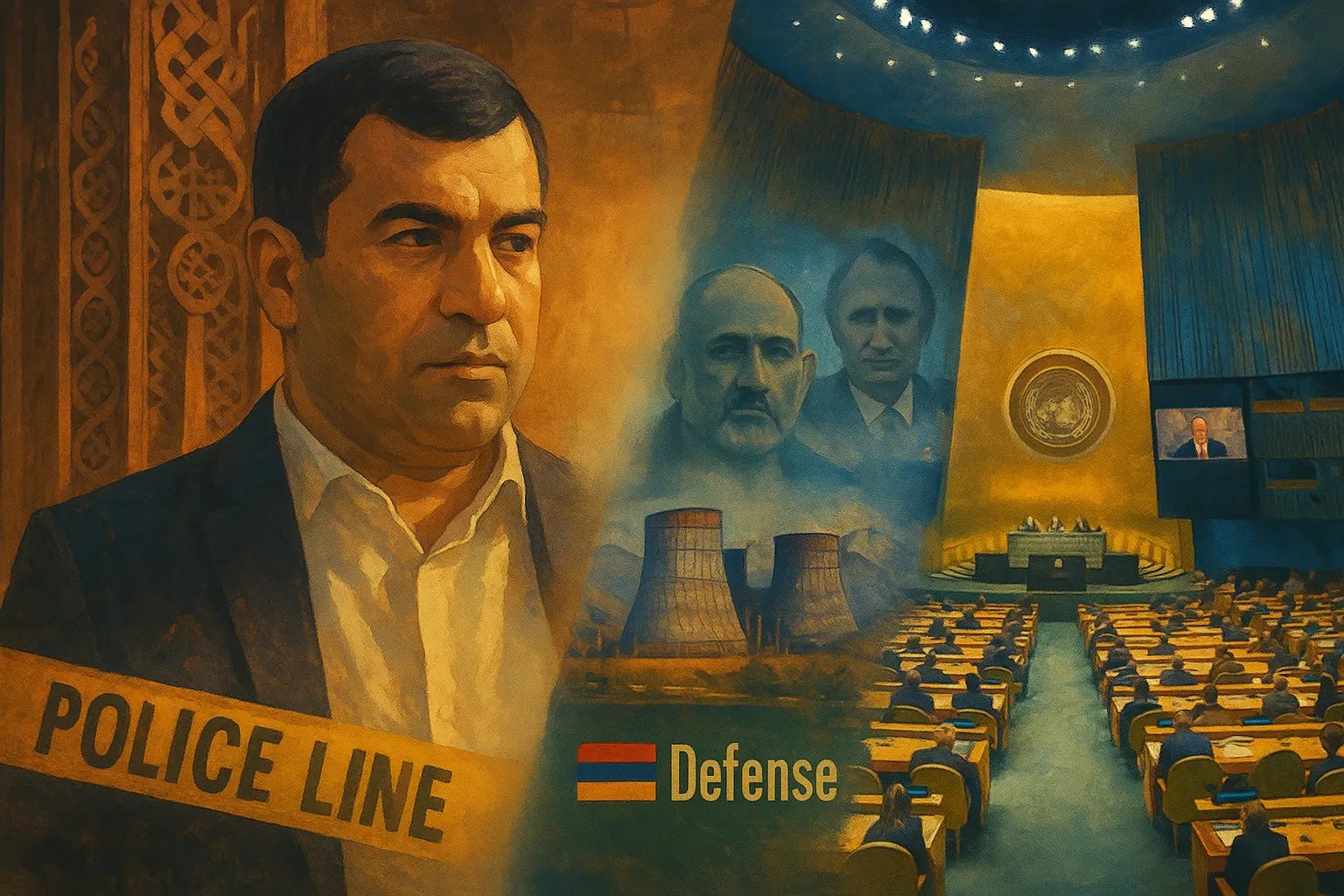
BNE Intellinews covers Pashinyan’s United Nations address announcing a path toward European Union membership rooted in democratic reform and institutional compliance. He promised a referendum on a new constitution after the twenty twenty six elections, linking domestic modernization to the August peace breakthrough and to opening transport links under national jurisdiction. The article also notes continued energy cooperation with Russia, including extending the Metsamor nuclear plant’s life, set against shifting regional influence dynamics. (intellinews.com)
13. Armenians in Georgia honor ancient feast of Varaga
Democracy and Freedom Watch reports the Armenian Apostolic Church in Georgia marked the Feast of the Holy Cross at Varaga, a celebration with seventh century roots. The State Agency for Religious Issues extended congratulations to dioceses and worshippers. The article situates the feast within the country’s recognized religious communities and mentions periodic disputes over heritage and burial sites. It presents the day as affirmation of identity for a historic minority centered around churches in areas such as Tbilisi’s Avlabari quarter. (dfwatch.net)
14. Armenpress: Prime Minister Pashinyan meets with UN Secretary-General
Armenpress reports Prime Minister Nikol Pashinyan met United Nations Secretary General Antonio Guterres in New York. According to the readout, they discussed the initialed Armenia Azerbaijan peace agreement and cooperation around the biodiversity COP seventeen that Armenia will host in October twenty twenty six. The meeting fits within UN week diplomacy linking domestic reforms, a green agenda, and regional confidence building to broader international engagement. The brief notes continued coordination on issues of mutual interest. (armenpress.am)
15. 168: Քարոզչական պայքար՝ «նախկինների դեմ», իրական թալան՝ ՔՊ-ականների կողմից
A 168 dot am commentary alleges the ruling party conducts propaganda against former officials while enabling enrichment among allies through opaque practices. It criticizes selective enforcement, constrained oversight, and media capture, urging budget transparency and institutional accountability. The polemic portrays declining social trust and calls for civic mobilization. While partisan in tone, it captures opposition arguments that governance narratives diverge from material outcomes and that reform must be measured against equitable resource stewardship. (168.am)
16. Արարատը՝ Տիգրան Դ-ի և Էրատոյի դրամի վրա. ազգային ինքնության հավերժական խորհրդանիշ
This culture piece examines Mount Ararat’s presence on ancient coins of Tigranes the Great and Queen Erato, framing the image as a continuous emblem of Armenian identity. It explores numismatic context, artistic depictions, and the mountain’s role in religious and national symbolism. The argument is that conserving and teaching such iconography strengthens cultural resilience during political flux, connecting antiquity to modern statehood and diaspora identity through shared historical memory and aesthetics. (168.am)
17. Կա խայտառակ, ամոթալի գաղտնիք, որ Փաշինյանը կյանքի գնով պահում է, որ ժողովուրդը չիմանա. դա կպայթեցնի իր իշխանությունը. Լևոն Զուրաբյան
An interview with opposition politician Levon Zurabyan alleges authorities conceal damaging information that could undermine legitimacy. He criticizes security and foreign policy narratives, arguing that tightly controlled disclosures erode public trust. The piece calls for independent inquiries, stronger parliamentary oversight, and clear strategic priorities. It urges citizens to distinguish between messaging and verifiable results, claiming accountability and rule of law are prerequisites for durable peace and economic recovery. (168.am)
18. Կիբերբուլինգ․ երբ առցանց ծաղրանքը դառնում է ողբերգություն
A feature on cyberbullying tracks escalation from online mockery to harm, outlining psychological effects, school level responses, and legal gaps. Experts interviewed urge digital literacy programs, parental involvement, and clear reporting channels, while warning against intrusive surveillance. The article advocates coordinated policy, mental health support, and platform responsibility to reduce harassment that often targets teens and public figures, emphasizing prevention and compassionate intervention alongside enforceable accountability. (168.am)
19. Փաշինյանի նարատիվների խորացման և իմպլեմենտացման պայմաններում Հայաստանի Հանրապետությունում ակնկալվում է անվտանգության մակարդակի անկում
This analysis argues that deeper entrenchment of official narratives could depress Armenia’s security by masking vulnerabilities and normalizing risky assumptions. It cites information warfare, signaling missteps, and ambiguous corridor language as factors emboldening adversaries. Recommended remedies include coherent strategic communications, capability focused defense planning, and diplomacy that avoids vague phrasing. The perspective is critical but proposes actionable steps to align messaging with concrete guarantees and deterrence. (168.am)
20. Ակադեմիկոսնե’ր…Եթե անտարբերությունը կամ վախն այդքան կլանել է բոլորիդ, գոնե ողորմելիներին խնայեիք
A sharp op ed rebukes academic indifference and fear, arguing that silence enables policies that hurt vulnerable people. It challenges university leaders to defend academic freedom, evidence based debate, and social responsibility. The author links intellectual integrity to democratic resilience and urges solidarity with families affected by conflict and displacement, calling for rigorous scrutiny of state narratives rather than passive acceptance. The essay situates ethics in scholarship within wider civic duty. (168.am)
21. Պարզվել է, որ Հայաստանը համարվում է գինու խաղողի սորտերի ծագման օջախը․ Աննա Նեբիշ
Biologist Anna Nebish discusses research indicating Armenia as a cradle of wine grape varieties with ancient and genetically distinctive cultivars. She argues for international collaboration and comparative studies that pair Armenian grapes with Spanish and Italian lines, saying such work can raise scientific visibility and support regional development through viticulture. The interview emphasizes peer reviewed publication and building laboratory capacity to characterize, conserve, and commercialize unique local varieties responsibly. (168.am)
22. Սևանի սենսացիան, որը մնաց Նիկոլ Փաշինյանի կոկորդին. Հիմա՞ ով է փող աշխատում լճից ջուր բաց թողնելու հաշվին
This investigation revisits claims about rising Lake Sevan levels, contrasting political rhetoric with current measurements that show decline. It links expanded water releases to drought conditions and electricity grid pressures, suggesting misaligned financial incentives and weak oversight. The article traces decade scale highs and present deficits, arguing for reservoir investment and transparent accounting so the lake does not become a short term tool for balancing tariffs and budgets at the expense of long term sustainability. (168.am)
23. Թուրքիան որևէ հետքայլ չի արել իր նախապայմաններից, Արցախից ու Ցեղասպանությունից հրաժարվելու պահանջները մնում են ուժի մեջ
A roundup contends that Türkiye has not retreated from longstanding preconditions toward Armenia, including positions on Artsakh and the Genocide. It cautions against excessive optimism about normalization and calls for principled diplomacy that protects sovereignty and dignity. The author urges clarity about red lines, realistic expectations, and broad societal consensus to ensure outreach does not yield concessions that compromise security, memory, or long term national interests. (168.am)
24. 168: Մեզ Դրսից Թշնամి Պետք Չէ, Մեր Թշնամին Ներսում Է. Ես Տիրապետում Եմ Շատ Արժեքավոր Ինֆորմացիայի. Հոկտեմբերի 27 & Նոյեմբերի 9. Աբրահամ Գասպարյան
A televised interview with Abraham Gasparyan argues Armenia’s principal threats are internal, alleging networks of collaborators and strategic missteps since the nineteen nineties. He cites detainee exchanges, information operations, and foreign influence, calling for political renewal and greater social cohesion. The program blends historical claims with present accusations and regional risk assessments, urging viewers to scrutinize leadership narratives and prepare for turbulence while pursuing national unity and accountable governance. (168.am)