

Articles posted to the Groong News Index and Groong.org.
1) Sports: Armenian boxers win three medals at the international tournament in Kaspiysk
Armenia’s U23 boxing squad earned three medals in Kaspiysk: gold for Harutyun Hakobkohyan (71 kg) and silvers for Manvel Petrosyan (63.5 kg) and Marat Mikaelyan (75 kg). Coaches Rudik Mkrtchyan and Robert Petrosyan framed the event as key preparation for November’s European U23 Championship in Yerevan, emphasizing conditioning, ring craft, and confidence-building against international opposition. (sportaran.com).
2) Art: Iranian artworks promote peace, friendship at "Color and Narrative" exhibition in Yerevan
Tehran Times reports on “Color and Narrative,” a joint Iran–Armenia exhibit at Yerevan’s Blue Mosque, featuring 86 Iranian artists. Organizers link the timing to International Peace Day and Armenia’s Independence Day, casting art as a vehicle for friendship. Speeches stressed shared civilizational ties, people-to-people dialogue, and workshops that use puppets as “messengers of peace,” extending cultural engagement beyond gallery walls. (tehrantimes.com).
3) Film: Armenian Film Festival Marks 10 Years in Glendale
Glendale News-Press recaps the Armenian Film Society’s 10th‑anniversary festival (Sept. 3–7) across three venues. Highlights included the Los Angeles premiere of “Monsieur Aznavour,” surprise appearances by Aznavour’s daughters, and a Ryan Coogler–Sev Ohanian conversation. A closing gala inaugurated the Society’s Hall of Fame, honoring Karren Karagulian, Madeline Sharafian, and Ohanian, underscoring Glendale’s growing role as a hub for Armenian cinema. (outlooknewspapers.com).
4) Trump claims he stopped 'Cambodia-Armenia war,' mistakenly mixing up Azerbaijan
RBC‑Ukraine notes President Trump claimed credit for halting a supposed “Cambodia–Armenia war,” confusing Cambodia with Azerbaijan while listing conflicts he says he defused. The piece catalogs other recent slips—misnaming leaders and countries—and contextualizes the remark within the actual Armenia–Azerbaijan hostilities, highlighting factual inaccuracies in campaign‑style rhetoric. (newsukraine.rbc.ua).
5) US Department of State: Armenia National Day 21 September
A U.S. State Department Independence Day message congratulates Armenia and reiterates support for peace, prosperity, and regional connectivity. It references assistance linked to the TRIPP framework and underscores commitments on energy security, trade, and border cooperation, framing ties as a strategic partnership aligned with Armenia’s sovereignty and territorial integrity. (state.gov).
6) Armenian envoy terms Tehran-Yerevan ties as strategic
Iranian outlets recount Armenia’s ambassador describing bilateral ties with Iran as “strategic,” citing cooperation on energy, transit, and people‑to‑people exchanges. The coverage places the remarks amid Independence Day greetings and ongoing discussions about regional corridors, emphasizing continuity in diplomatic engagement and mutual interest in stable cross‑border connectivity. (iranpress.com).
7) Yerevan Backs Multimodal Transport Corridor Linking Kazakhstan, Turkmenistan, Iran, Armenia
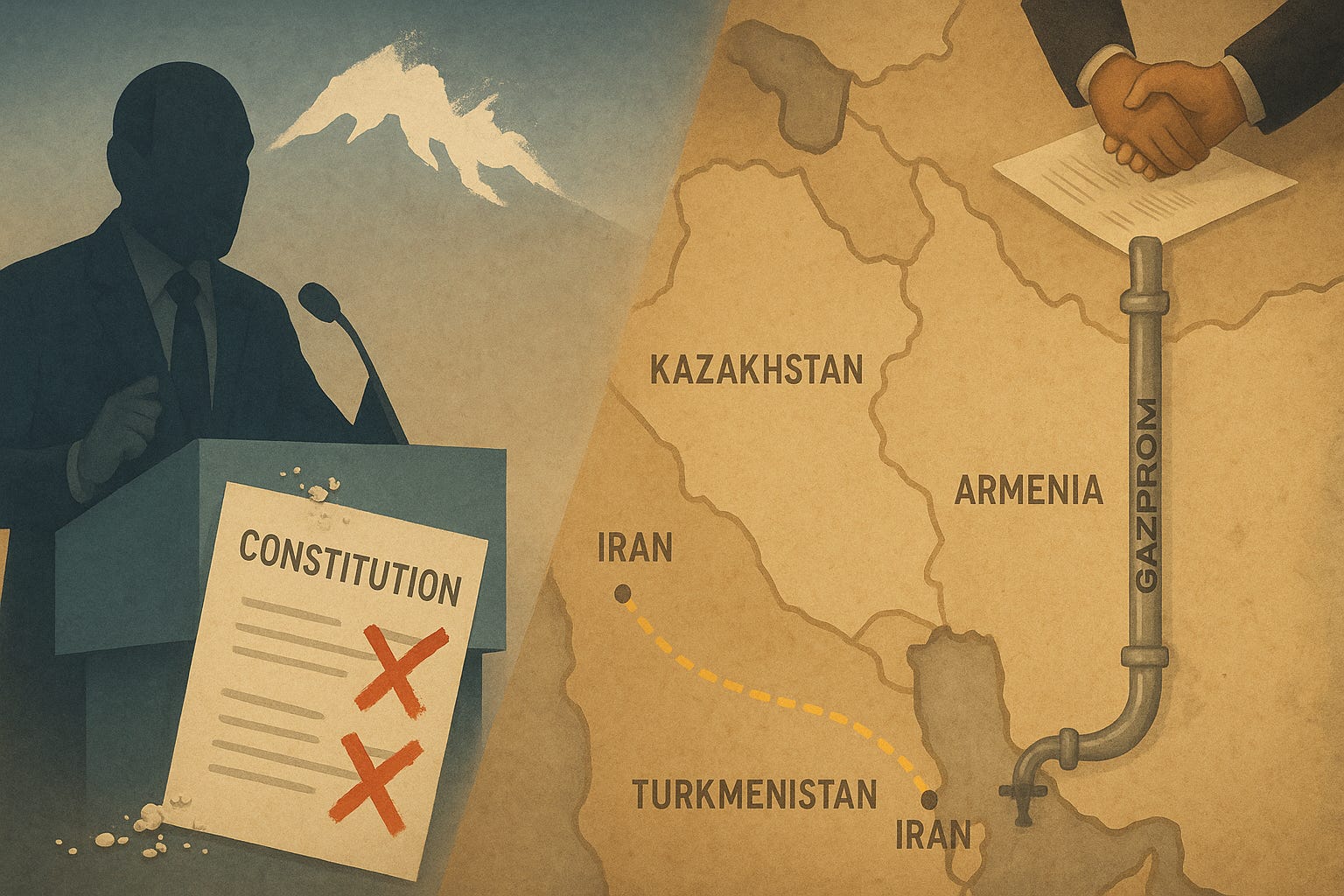
Reports from Iranian state media outline Armenia’s support for a multimodal corridor linking Kazakhstan, Turkmenistan, Iran, and Armenia. Officials pitch the route as a pragmatic, sanctions‑resilient chain enhancing Eurasian trade. The framing stresses logistics efficiency, customs cooperation, and diversification of access to global markets while aligning with broader regional connectivity agendas. (iribnews.ir).
8) President Pezeshkian [of Iran] congratulates Armenia on Independence Day
Iranian press notes President Masoud Pezeshkian’s congratulatory message to Armenia, conveying wishes for prosperity and stronger ties. The statement underscores historical affinities and ongoing collaboration areas—energy, transport, and culture—while reiterating support for regional stability and balanced relations amid shifting geopolitics. (president.ir).
9) Iranian President Sends Congratulatory Messages to Armenian Leaders on National Day
QNA/Gulf press round‑ups report Iran’s leadership issuing congratulatory cables to Armenia’s president and prime minister. Beyond formalities, the messages serve as diplomatic signaling to sustain bilateral channels. They come alongside other regional greetings, reflecting Armenia’s web of partnerships and ritualized outreach around September 21. (qna.org.qa).
10) Lukashenko sends Independence Day greetings to Armenian people
Belarusian President Aleksandr Lukashenko congratulated the Armenian people, invoking shared history and traditional values. The message calls for preserving cooperation and partnership, offering wishes for peace and prosperity. It illustrates routine but symbolically useful diplomacy, which can dovetail with sectoral initiatives if opportunities arise. (eng.belta.by).
11) UAE leaders congratulate President of Armenia on Independence Day
The WAM note via Sharjah24 says the UAE’s president, vice presidents, and senior leaders sent congratulatory messages to Armenia’s leadership on Independence Day. Such notices maintain momentum in bilateral outreach, often preceding technical contacts in trade, aviation links, investment, and culture as schedules align. (sharjah24.ae).
12) His Majesty the King [of Morocco] Congratulates Armenian President on National Day Africa Press Release
Zawya’s Africa press feed carries the Moroccan monarch’s message to Armenia’s president, praising friendly relations and expressing intent to deepen cooperation. The greeting underscores Morocco’s broader outreach and offers a platform for incremental engagement on education, culture, and commerce, depending on follow‑through by both sides. (zawya.com).
13) Amir [of Qatar] sends congratulations to President of Armenia
Qatar News Agency and local press aggregate coverage of HH Sheikh Tamim bin Hamad Al‑Thani’s congratulatory cable to Armenia’s president. The message, mirrored by deputy and prime minister notes, is part of standard National Day diplomacy that keeps lines open for practical cooperation and periodic high‑level visits. (thepeninsulaqatar.com).
14) Armenpress: Pashinyan highlights 'Fourth Republic' in Independence Day address
Armenpress publishes the prime minister’s full Independence Day statement, framing the “Fourth Republic” as a peace‑anchored renewal after difficult years. The address ties August 8 developments to hopes for stability, economic opportunity, and institutional reform, casting the agenda as a chance to fulfill the 1991 dream under new conditions. (armenpress.am).
15) Verelq: Ժողովրդին պետք է ընտրություն առաջարկել, հետո նրան խնդրել` գնալ քվեարկության
A Verelq commentary by Vahe Hovhannisyan argues the opposition must offer voters a real alternative and mobilize them to the polls. It criticizes the government’s narrative surrounding a proposed Fourth Republic and contends that strategic, credible organization—not reactive outrage—is necessary to convert dissent into change. (verelq.am).
16) Շնորհավորում ենք Հայաստանի եղբայրական ժողովրդին Հանրապետության անկախության օրվա առթիվ
A Verelq post relays the Russian Embassy in Armenia’s Independence Day message, congratulating the “brotherly people of Armenia” and wishing peace and prosperity. Beyond formality, it signals Moscow’s ongoing attention to public diplomacy in Yerevan amid recalibrated regional relationships. (verelq.am).
17) Verelq: Չարենցավանի պանթեոնում տեղի ունեցավ հերոսների հիշատակին հուշաքարի օրհնության կարգ
Coverage describes a memorial stone blessing at Charentsavan’s city pantheon honoring fallen heroes of the Artsakh wars. Backed by local patrons, the ceremony included site improvements and emphasized remembrance as a foundation for civic responsibility, linking Independence Day observance to intergenerational duty. (verelq.am).
18) Asbarez: When September Was a Month for Celebrating Independence
Asbarez’s editorial laments how September—once a month of independence celebrations for Armenia and Artsakh—has become marked by loss and disillusion. It criticizes Prime Minister Pashinyan’s “Real Armenia” doctrine, the de‑emphasis of Mount Ararat symbols, and church confrontations, arguing these reflect historical amnesia. The piece frames the recent White House meeting as lopsided and urges renewed nation‑building grounded in shared memory, accountability, and resolve rather than revisionism or ex... (asbarez.com).
19) 168: Նոր համարակալումներով Հանրապետության մասին բարբաջողները փորձում են ջնջել, մեր հիշողությունը, մերժել հաղթանակները, բայց պատմությունը չի սկսվում «զրոյական կետից». Սերժ Սարգսյան
168.am publishes former President Serzh Sargsyan’s Independence Day address. He argues the “Fourth Republic” rhetoric seeks to erase historical memory, deny victories, and reset the nation to a “zero point.” Sargsyan calls current leadership illegitimate and urges restoring dignity through defense of the state and unity of purpose. The message warns against abandoning hard‑won achievements and insists that independence is rooted in continuity and sacrifice, not renumbered labels or opportunistic narr... (168.am).
20) Անկախության տոնը պատգամ է հավատարիմ մնալու ազգային զարթոնքի իղձերին, մեր արժեքներին ու սրբություններին․ Գարեգին Բ կաթողիկոս
Catholicos Karekin II issues a Patriarchal blessing for Independence Day, emphasizing fidelity to the ideals of national awakening, enduring values, and sacred traditions. He frames independence as the realization of a long‑held collective aspiration and calls for civic virtue, solidarity, and responsibility across Armenia and the diaspora. The statement links remembrance to renewal, urging Armenians to nurture culture, faith, and public service while confronting present challenges with unity and hop... (168.am).
21) Եկել է ժամանակը, երբ յուրաքանչյուրիս վճռականությունից և հայրենիքին նվիրվածությունից է կախված մեր Անկախության ապագան․ Ռոբերտ Քոչարյան
Second President Robert Kocharyan congratulates Armenians on Independence Day and says the republic’s future depends on each citizen’s determination and devotion to the homeland. He calls for steadfast commitment, arguing that personal resolve and national solidarity are prerequisites for safeguarding sovereignty. The brief message situates the holiday in the context of contemporary trials and appeals for disciplined effort to protect statehood, dignity, and long‑term national interests. (168.am).
22) Կան մնայուն արժեքներ․ դրանցից գլխավորը Հայաստանի անկախությունն ու մեր պետականության վերականգնումն է․ Լևոն Տեր-Պետրոսյան
First President Levon Ter‑Petrosyan underscores “enduring values,” foremost Armenia’s independence and the restoration of statehood. In a concise greeting he congratulates the nation and urges perspective amid current hardships. The note adds moral ballast to Independence Day discourse, suggesting that despite political turmoil, the central achievement—sovereign statehood—remains a unifying foundation that should guide choices and temper despair. (168.am).
23) «Չորրորդ Հանրապետության» մասին խոսելը միայն ցինիկ փորձ է՝ ձախողումը ներկայացնելու որպես վերածնունդ․ Վարդան Օսկանյան
Former foreign minister Vartan Oskanian argues talk of a “Fourth Republic” is a cynical bid to recast failure as rebirth. He says leaders who presided over crises cannot credibly proclaim a new republic. Marking Independence Day, he calls for genuine renewal that restores trust in democratic governance, safeguards sovereignty, and heals social wounds—through accountable institutions and national consensus rather than slogans. (168.am).
24) Ստացվում է՝ Պատմական Հայաստան էլ չենք կարող ասել․ հիմա ի՞նչ, ասենք՝ մշակույթը 3-րդ մասի՞ց ենք բերել․ Հասմիկ Հարությունյան
In an interview, folk singer Hasmik Harutyunyan worries that downplaying historical terms like “Historical Armenia” weakens cultural identity. She reflects on the transmission of musical heritage—from Komitas to conservatory traditions—and criticizes superficial adaptations that strip folk music of nuance. Harutyunyan urges deeper study, respect for authentic forms, and renewed public engagement to ensure cultural continuity alongside modern creativity. (168.am).
25) Ինձ փաստեր ուղարկեցին. դեռևս 1950-ականներին է մասոնական օթյակը որոշել՝ ինչ պիտի լինի այսօր Հայաստանում. Արծրուն Պեպանյան
Writer-publicist Artsrun Pepanyan claims archival and media materials show long‑standing “masonic lodge” designs for Armenia, alleging foreign‑devised scenarios from regime change to pan‑Turkic projects. The segment presents these as cautionary lessons and urges political sobriety and vigilance. While contentious, it illustrates anxieties about external manipulation and the need for critical evaluation of sources and national strategy. (168.am).
26) Չորս կանայք՝ մեկ բեմում. «Չկա տղամարդ՝ չկա պրոբլեմ» ներկայացումը վերադարձել է բեմ՝ ավելի երիտասարդացած ու ավյունով
A feature on the Chamber Theater’s revived production “No Man—No Problem” spotlights four women sharing one stage in an energetic, interactive show. The piece praises inventive staging, audience engagement, and the cast’s chemistry, describing a refreshed, youthful momentum. It positions the production as a lively entry in Yerevan’s repertory, drawing interest through humor and contemporary themes while maintaining craft and pace. (168.am).
27) Ապաշրջափակման պատրանքները. Ներմուծվող ապրանքների էժանացումով են գայթակղում, բայց իրականում ամեն ինչ կթանկանա
An economic commentary warns that promises of cheaper imports from “unblocking” are illusory. It argues logistics, tariff structures, and market power could drive prices higher despite rhetoric about liberalization. The author calls for transparent cost modeling, consumer protections, and regulatory oversight so connectivity plans do not become vehicles for inflation or capture by dominant intermediaries. (168.am).
28) Իսկ ինչո՞ւ պիտի Թուրքիան բացի սահմանը, որն ինքն էլ փակել է, ո՞րն է նրա շահը. Անդրանիկ Թևանյան
Andranik Tevanyan questions Ankara’s incentives to open the Armenia–Turkey border, contending that unilateral concessions risk leverage without reciprocity. He examines strategic interests, domestic politics, and regional bargaining, urging a negotiation posture that ties steps to verifiable benefits. The piece calls for prudent sequencing, security guarantees, and clear metrics for economic gains before altering border modalities. (168.am).
29) 168: Մարդու իրավունքների կրթություն և ակադեմիական ազատություն. խնդիրներ և մարտահրավերներ
A 168.am article surveys human‑rights education and academic freedom in Armenia, identifying curricular gaps, institutional pressures, and legal ambiguities. It recommends depoliticized governance, transparent hiring, and protections for inquiry and expression. The analysis argues universities can anchor civic resilience if autonomy and accountability are strengthened through standards, funding reform, and stakeholder engagement. (168.am).