

Articles posted to the News Feed on Groong.org.
1. Sports: Leon Shahbazyan Scores Lightning-Fast Victory at Tuff-N-Uff 148
Armenian MMA fighter Leon Shahbazyan continued his resurgence with a 42‑second first‑round guillotine at Tuff‑N‑Uff 148 in San Diego against Brazilian veteran Glaucio Eliziario (10‑9). The report notes three consecutive first‑round finishes this year and contextualizes Leon’s progress alongside his younger brother, UFC middleweight Edmen Shahbazyan. It also highlights the role of regional promotions in building momentum and match fitness between higher‑profile bouts for Armenian fighters based in the United States. (sportaran.com)
2. Sports: Babalaryan Confident: Artur Aleksanyan Is Not Retiring
National team head coach Armen Babalaryan dismissed speculation that Olympic champion Artur Aleksanyan will retire after a quarterfinal loss to Murad Ahmadiev at the 2025 Greco‑Roman World Championships in Zagreb. He pointed to Aleksanyan’s overall form, the impact of single positions in Greco‑Roman wrestling, and the importance of supporting other team members. Babalaryan invoked examples of elite wrestlers competing into their forties, arguing Aleksanyan remains motivated and able to contend for top honors. (sportaran.com)
3. Sports: Armenian wrestlers to compete at the Aksyonov Memorial in Novosibirsk
A five‑man Armenian Greco‑Roman squad will enter the Aksyonov Memorial in Novosibirsk on September 27–28, a prestige tournament drawing athletes from 11 countries. The delegation includes Norayr Hakhoyan (55 kg), Shant Khachatryan (72), Martik Petrosyan (82), and at 87 kg, Karen Khachatryan and Gevorg Tadevosyan. The schedule features preliminaries on Saturday and medal matches on Sunday, with live coverage on Wrestling TV. The competition offers ranking experience as programs reset after the world championships. (sportaran.com)
4. Today marks fifth anniversary of 44-day Artsakh war
On September 27, Armenia marked five years since the 2020 war in Artsakh. Panorama’s roundup revisits the attack’s early hours, civilian losses, and the enduring trauma faced by displaced families. It features reflections by witnesses and writers, including posts recalling the fear and devastation of the first morning. The piece closes by stressing remembrance and the need for sustained support for victims—tying the memory of 2020 to subsequent ordeals, including September 2023. (panorama.am)
5. Two years in a Baku prison: facts about Ruben Vardanyan’s ‘case’
Two years after Ruben Vardanyan’s arrest by Azerbaijani authorities, his legal team and advocates catalog alleged due‑process violations—denied observers, massive untranslated case files, and reports of ill‑treatment during hunger strikes. The post collects a timeline from late 2023 through mid‑2025, noting EU resolutions, ICRC access issues, and hearings confined to state media. Supporters argue the case symbolizes broader repression of Armenians detained after the 2023 exodus from Nagorno‑Karabakh. (panorama.am)
6. Opposition leader: Azerbaijan must be held accountable for Artsakh genocide
An opposition figure reiterates that Azerbaijan must be held accountable in international forums for acts amounting to genocide in Artsakh. The message urges sustained legal and diplomatic action, protection of detainees, and mechanisms enabling safe, dignified return. It frames accountability as essential to durable peace and regional normalization. (armenpress.am)
7. Arman Tatoyan marks Artsakh war anniversary
Former ombudsman Arman Tatoyan issued a statement on the fifth anniversary of the 44‑day war, honoring victims and calling for firm guarantees against renewed aggression. He urges attention to the rights of displaced families and insists that security arrangements must be grounded in international law and monitoring. (armenpress.am)
8. Analyst: Aliyev emboldened by Pashinyan’s remarks
A political analyst contends that recent remarks by Prime Minister Pashinyan have emboldened Ilham Aliyev. The commentary cites Azerbaijan’s assertive rhetoric and the risk of miscalculation, urging clearer deterrence and consistent messaging from Yerevan. (armenpress.am)
9. Artsakh issue remains unresolved, leader insists
A community or opposition leader argues the Artsakh issue remains unresolved despite diplomatic declarations. He emphasizes detainee releases, heritage protection, and enforceable security assurances as preconditions for genuine normalization. (armenpress.am)
10. Cairo: Armenian Studies Center at Cairo Uni. Marks Independence Day with New Lecture Series
Armenian Studies at Cairo University launched a lecture series for Armenia’s Independence Day, aiming to expand cultural and academic links. Speakers plan to cover history, literature, and diaspora topics, fostering exchange with students and scholars in Egypt. (armenpress.am)
11. Azerbaijani members of thematic groups for dialogue with Armenians briefed, assume roles
Azerbaijan’s designated participants in new thematic dialogue groups were formally briefed and assigned roles. Armenpress notes the format’s potential to address technical issues while political differences persist, stressing transparency and confidence‑building steps. (armenpress.am)
12. Jerusalem: Church leaders condemn latest threat to seize Armenian church property
Church leaders in Jerusalem condemned renewed threats to seize Armenian church property amid tax and legal disputes. They warn of cultural and community harm, urging authorities to prevent foreclosures and uphold protections for historic religious sites. (armenpress.am)
13. Armenia, Azerbaijan join nations backing Trump for Nobel
Armenpress reports on a multinational push to nominate U.S. President Donald Trump for the Nobel Peace Prize following the Washington declaration. Backers link the initiative to de‑escalation and connectivity plans; critics question the timing and criteria. (armenpress.am)
14. Armenian PM expresses satisfaction over diplomatic ties with Pakistan, Saudi Arabia
Prime Minister Pashinyan welcomed progress in ties with Pakistan and Saudi Arabia on UNGA sidelines, noting openings in trade, aviation and investment. The engagements are cast as part of a broader diversification strategy. (armenpress.am)
15. Gaza, Ukraine, Haut-Karabakh... Le syndrome de Don Quichotte ou la guerre sans fin
A French‑language essay surveys conflicts from Gaza to Ukraine and the South Caucasus, arguing that cycles of confrontation persist without robust institutions, accountability, and credible security guarantees. It calls for diplomacy anchored in rights and risk reduction. (armenpress.am)
16. Armenpress: Syrian court issues arrest warrant for ousted President Bashar al-Assad
Armenpress aggregates reports that a Syrian court issued a warrant for Bashar al‑Assad in connection with wartime crimes. The brief situates legal developments within international accountability debates and diplomatic realities. (armenpress.am)
17. Armenian Environment minister meets with EU Commissioner in New York ahead of COP
Ahead of Armenia’s expanded role at COP17 in 2026, the environment minister met an EU commissioner to coordinate climate finance, adaptation and biodiversity programs. The item underscores efforts to align domestic reforms with European initiatives. (armenpress.am)
18. Armenia to take center-stage in global environmental agenda with COP17 in 2026
A planning note says Armenia’s hosting role at COP17 in 2026 will spotlight national climate priorities—renewables, resilience, and green industry—while inviting investment and expertise. (armenpress.am)
19. Investigators recover mask, night vision device in mayor’s murder case
Investigators recovered a mask and night‑vision device in the Merdzavan murders probe involving Parakar mayor Volodya Grigoryan. Authorities say forensics and interviews continue as they test lines of motive, including a feud theory reported in local media. (armenpress.am)
20. Authorities deny reports about increased gun violence
The Interior Ministry rejected claims of rising gun violence, citing data trends and ongoing seizures stemming from targeted operations. Officials urged reliance on verified figures as high‑profile cases dominate headlines. (armenpress.am)
21. Police link Parakar mayor’s murder to long-standing blood feud; suspect was once pardoned
Police indicated the Merdzavan killings may be connected to a long‑standing feud; media note the suspect was once pardoned in an earlier case. The announcement comes amid leadership changes in regional investigative units. (armenpress.am)
22. Armenian delegation to participate in NATO PA Annual Session
Parliament’s delegation will attend the NATO Parliamentary Assembly’s annual session to engage on security, resilience and interoperability. It marks continued legislative‑level dialogue with Euro‑Atlantic partners. (armenpress.am)
23. Armenian delegation to participate in 2025 Warsaw Human Dimension Conference
A delegation will join the Warsaw Human Dimension Conference, focusing on rights commitments, civic space, and election standards. Organizers aim to share reform progress and learn from peer best practices. (armenpress.am)
24. Armenia to host 2026 Concours Mondial de Bruxelles
Armenia will host the 2026 edition of the Concours Mondial de Bruxelles wine competition. Officials expect tourism benefits and brand visibility for local producers. (armenpress.am)
25. Armenian Minister to participate in Belgrade RISE 2025 conference
An Armenian minister will participate in the RISE 2025 conference in Belgrade, tapping regional forums to cultivate investment and innovation partnerships across the Balkans and EU. (armenpress.am)
26. Thousands affected by war-time rights violations - Armenian ombudsperson
Human Rights Defender Anahit Manasyan said mass violations during and after the 44‑Day War profoundly affected thousands of Armenians. The statement reaffirms the ombuds office’s commitment to protecting victims’ rights, pursuing remedies, and advocating for a dignified future. It links remembrance with concrete legal and social support frameworks. (armenpress.am)
27. VIDEO: Armenian Ombudsperson’s remarks at UN Human Rights Council Session
Human Rights Defender Anahit Manasyan delivered a video address during discussions of Armenia’s Universal Periodic Review at the UN Human Rights Council’s 60th session. She emphasized torture‑prevention standards, effective investigations, anti‑discrimination work, and institutional capacity building. The intervention complements a written submission reviewing progress and gaps since the last UPR. (armenpress.am)
28. Thousands affected by war-time rights violations - Armenian ombudsperson
Marking the fifth anniversary of the 44‑Day War, Human Rights Defender Anahit Manasyan said mass violations during and after hostilities have deeply affected thousands. Her statement emphasizes the office’s work on monitoring treaty obligations, torture prevention and anti‑discrimination, while urging effective investigations and dignified support for victims and families. The message links remembrance with concrete remedies and institutional capacity‑building to secure a peaceful, rights‑respecting future for Armenians. (armenpress.am)
29. Armenia, Saudi Arabia sign MoU on political consultations
On UNGA sidelines in New York, Foreign Ministers Ararat Mirzoyan and Faisal bin Farhan signed a memorandum establishing political consultations between Armenia and Saudi Arabia. According to the foreign ministry readout, the MoU formalizes channels for dialogue across bilateral and multilateral topics, complementing Armenia’s recent opening of diplomatic relations with Riyadh. Officials present the step as part of a broader diversification push in foreign policy and economic outreach. (armenpress.am)
30. UNGA High-Level Week: Armenian, Romanian FMs hold talks
Armenia’s Ararat Mirzoyan met Romania’s foreign minister Oana‑Silvia Toiu during UNGA week to review cooperation prospects and the Armenia‑EU partnership agenda. The readout underscores inclusivity in regional projects and references the Washington agreements, including TRIPP communications under national jurisdiction. The sides discussed deepening ties through EU instruments and maintaining momentum on reforms as the region enters a post‑conflict normalization phase. (armenpress.am)
31. UNGA High-Level Week: Armenian, Cuban FMs discuss development of cooperation
Mirzoyan met Cuba’s Bruno Rodríguez Parrilla in New York to deepen bilateral cooperation and coordination across multilateral platforms. The statement highlights readiness to enhance interaction, exchange on international system effectiveness, and situates the talks within South Caucasus developments. Armenia reiterated progress since August 8 and framed engagement with Cuba as part of widened diplomatic networks after a reset in regional security dynamics. (armenpress.am)
32. UNGA High-Level Week: Armenia, Uganda discuss development of ties
Foreign Ministers Ararat Mirzoyan and Jeje Odongo discussed expanding ties, from legal frameworks and business contacts to cooperation in education. Armenia offered training via its Diplomatic School and scholarships at higher‑education institutions. They also exchanged views on regional developments, with Uganda welcoming the Washington accords and Armenia’s connectivity plans governed by national jurisdiction. (armenpress.am)
33. UNGA High-Level Week: Armenia, Liechtenstein FMs hold talks
Mirzoyan met Liechtenstein’s Sabine Monauni, emphasizing shared commitments to human rights, democratic development and cooperation in legal forums. The note points to regional connectivity under the Washington agreements and Liechtenstein’s congratulations on recent progress. Both sides underlined values‑based collaboration and continued coordination in multilateral settings. (armenpress.am)
34. PM Pashinyan honors fallen troops on 44-Day War anniversary
On the fifth anniversary of the war’s outbreak, Prime Minister Nikol Pashinyan honored fallen soldiers in a social post. Armenpress recaps the conflict’s start, its toll, and the ceasefire outcome, noting missing persons years later. The message blends commemoration with a reaffirmation of national resolve and remembrance for those killed, including civilians. (armenpress.am)
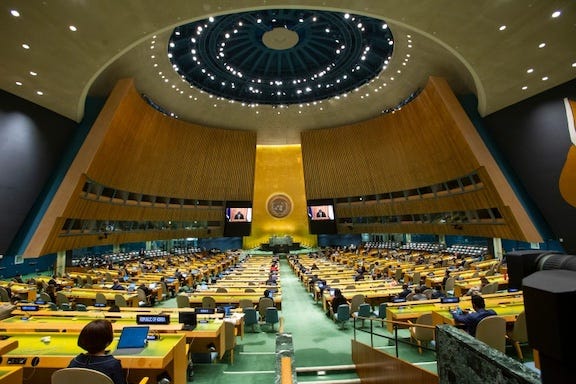
35. Pashinyan lauds ‘unprecedented positive dialogue’ with Türkiye at UN General Assembly
In his UNGA address, Pashinyan said an “unprecedented positive dialogue” with Türkiye has developed, building trust through regular meetings with President Erdoğan. He voiced confidence in a near‑term breakthrough—the establishment of diplomatic relations and opening of the border—presenting normalization as integral to a peaceful, stable South Caucasus. The comments track with Armenia’s expanded outreach and diversification of partnerships. (armenpress.am)
36. UNGA: Pashinyan urges clarity from Aliyev over mislabeling Trump Route as ‘Zangezur corridor’
Addressing the General Debate, Pashinyan urged Azerbaijan’s President Aliyev to stop calling TRIPP the “Zangezur corridor,” saying the term appears nowhere in Washington‑brokered documents. He warned such rhetoric fuels territorial‑claim narratives and undermines confidence in peace. Pashinyan reaffirmed that communications will function under national jurisdictions as agreed and called for consistent, de‑escalatory messaging. (armenpress.am)
37. UNGA: Armenian PM hails foreign policy achievements in building new global ties
Pashinyan highlighted broadened diplomatic relations—including new ties with Saudi Arabia and Pakistan—plus deeper engagement with Iran, Georgia, and major Asian partners. He described a “balanced and balancing” policy that sustains traditional links (including with Russia through formats like 3+3) while expanding horizons. The speech framed diversified partnerships as the basis for a peaceful, development‑oriented regional environment. (armenpress.am)
38. If re-elected, Pashinyan vows constitutional referendum to advance democracy
Armenpress reports from the UN General Assembly that Prime Minister Nikol Pashinyan pledged to launch a nationwide referendum on adopting a new constitution if re‑elected in 2026. He argued a renewed basic law would link state institutions directly to the popular will, consolidating democratic reforms and making Armenia’s governance “people‑centered.” The speech positioned constitutional change within a broader agenda of peace with Azerbaijan, alignment with international standards, and institutional modernization, framing the vote as a capstone to post‑2018 democratic commitments and regional normalization. (armenpress.am)
39. Armenpress: “Long live diplomacy, long live peace”: Full text of PM Nikol Pashinyan’s UNGA speech
This is Armenpress’ publication of the prime minister’s full prepared remarks at the UN General Assembly. The text chronicles progress since August 8 under the Washington Declaration, including mutual recognition of borders via the Alma‑Ata principles, an initialed peace agreement with Azerbaijan, and the planned TRIPP connectivity route operating strictly under national jurisdictions. Pashinyan praises U.S. mediation and urges consistent, de‑escalatory rhetoric, while linking peace to domestic democratic consolidation, EU‑oriented reforms, and diversified foreign ties. He also reiterates support for clarifying detainee cases and missing persons. (armenpress.am)
40. 168: Տնտեսական տեռորի հետևանքները. Մեծ թվով կազմակերպություններ են փակվել
The 168.am analysis alleges a climate of “economic terror,” asserting that heavy, uneven tax burdens and selective enforcement are forcing many businesses to close. Citing official data, it claims the number of registered enterprises has fallen notably year‑over‑year, with small and medium firms hit hardest. The piece argues that politically connected figures benefit from asset transfers and that policy choices discourage entrepreneurship and employment. It concludes with calls for transparency and relief, framing the closures as symptomatic of deeper governance problems and distorted market competition. (168.am)
41. Նրանցից ոչ մեկ մինչ օրս չի պատժվել, ավելին՝ նրանք հիմա էլ պատասխանատու են մեր երկրի համար կատարվածների համար
This commentary laments impunity around alleged abuses and strategic failures tied to war and governance. It argues that key decision‑makers remain unpunished and, in some cases, still shape policy despite public anger and losses. The author links accountability to national security, saying credible investigations and judicial independence are essential to deter future wrongdoing and rebuild trust. It emphasizes honoring victims not only through commemoration, but by enforcing responsibility for decisions that led to casualties, displacement, and institutional erosion. (168.am)
42. 44-օրյայից 5 տարի է անցել, սակայն այն պատճառները, որոնք դրված էին պարտության հիմքում, չեն վերացել
Marking the fifth anniversary of the 44‑Day War, the article argues that the root causes behind Armenia’s defeat persist. It cites readiness gaps, strategic misjudgments, and information operations that continue to undermine resilience. The author calls for a comprehensive review of defense planning, procurement, and allied coordination, together with civic unity and realistic diplomacy. Without addressing structural weaknesses, the piece warns, the state’s deterrence and crisis management capacity will remain brittle in a turbulent regional environment. (168.am)
43. «Շարունակում եմ պնդել` 44-օրյա պատերազմը մեր զինվորն ու հրամանատարը չեն պարտվել». Աբրահամյան
Quoting opposition figure Tigran Abrahamyan, the item insists soldiers and field commanders did not “lose” the 44‑Day War; rather, failures originated at the political level. Abrahamyan ties battlefield sacrifices to enduring patriotism, memorializing the fallen while condemning leadership decisions he deems fatalistic. He frames the war’s trajectory as the outcome of pre‑war assumptions that ceded Artsakh’s fate. The appeal urges accountability and renewed defense seriousness, portraying society as inherently combative, unwilling to internalize defeatism despite trauma and loss. (168.am)
44. Հորս բանտախցում մենակ է․ նրա համար շատ ավելի կարևոր են ոչ թե բանտարկության պայմանները, այլ իր և մյուս հայերի ձերբակալության պատճառները․ Ռուբեն Վարդանյանի որդի
A CivilNet‑based interview with David Vardanyan reflects on two years since businessman Ruben Vardanyan’s arrest in Azerbaijan. He says little is known about his father’s health and that the ICRC’s absence compounds uncertainty for families of detainees. Vardanyan stresses that the real issue is the grounds for detaining Armenian Christians, urging heightened international engagement, clear benchmarks for releases, and diaspora mobilization. He argues that sustainable peace requires resolving detainee cases, restoring humanitarian access, and safeguarding basic rights alongside diplomatic normalization efforts. (168.am)
45. Իրական խաղաղությունը միայն իրական երաշխիքներով է լինում, ուժեղ ու դիմակայուն պետություն ունենալով է լինում, որտեղ չկա ներքին պառակտում. Արման Թաթոյան
Former Human Rights Defender Arman Tatoyan links durable peace to credible guarantees and a strong, cohesive state. Reflecting on atrocities against civilians and prisoners, he argues that denial and impunity embolden future crimes. Tatoyan urges depoliticized justice, societal solidarity, and rule‑of‑law reforms that protect rights amid normalization. He warns that divisive rhetoric corrodes internal resilience, while calling for remembrance anchored in concrete safeguards, professional border management, and humanitarian accountability as prerequisites for a secure peace. (168.am)
46. Արցախի հարցի փակումը վտանգներ է ստեղծում Հայաստանի համար. Սամվել Շահրամանյան
Former Artsakh leader Samvel Shahramanyan argues that declaring the Artsakh question “closed” creates serious risks for Armenia. He warns that unresolved status issues, displaced populations, and security gaps can destabilize normalization and invite coercion. The piece recounts concerns over border demarcation, narratives that imply territorial claims, and the need for robust guarantees. It urges policymakers to integrate humanitarian remedies, defense readiness, and diplomacy to prevent new escalations and to maintain leverage in talks while protecting national interests and dignity. (168.am)
47. «Մեր տղաներին թիկունքից հարվածել են, «գերագույն սրիկան» իր բերանով ասել է… պետք է պատասխանատվության ենթարկվի». Արուս Հարությունյան
A bereaved‑parents advocate, Arus Harutyunyan, accuses authorities of betraying soldiers and demands criminal responsibility for wartime decisions that, she says, undercut the front. Recalling the November 9 ceasefire and subsequent narratives, she contends that leadership minimized costs and evaded scrutiny, while families continue to seek truth and justice. The comments press for an official day of remembrance tied to accountability. The interview closes by urging society to resist fear and insist that those who ordered fatal policies face the law. (168.am)
48. Պետության պարտքը կհասնի 15 միլիարդ դոլարի. բյուջեի դեֆիցիտը փակելու համար փող են հայթայթում
This economic piece claims the government is reallocating funds from World Bank‑backed modernization projects to cover budget deficits, signaling fiscal strain and rising public debt. It lists cuts to consulting and e‑government equipment lines and projects total debt reaching roughly $15.3 billion in 2026. Critics argue such shifts mortgage future capacity for short‑term balance, questioning transparency and prioritization. The article frames responsible budgeting and growth‑oriented reforms as essential to avoid compounding vulnerabilities while meeting social obligations and security needs. (168.am)
49. «2016թ. մենք խուսափեցինք խայտառակ պարտությունից, 44-օրյային էլ կարող էինք խուսափել, եթե Հայաստանում չլինեին այս իշխանությունները». Ռազմական փորձագետ
An interview with veteran Martin Yesayan reflects on the April 2016 clashes and the 2020 war, arguing that defeat was not inevitable. He describes early warnings, soldier preparedness, and the decisive role of political leadership, procurement, and planning. Yesayan honors fallen fighters and insists that credible defense requires readiness beyond individual heroism—comprehensive doctrine, modern kit, training cycles, and clear command responsibility. He urges lessons‑learned processes that translate sacrifice into concrete reforms capable of deterring renewed aggression. (168.am)
50. Բաքվի դատարանն անցել է ադրբեջանցի դիվերսանտ Մուբարիզ Իբրահիմովի ոչնչացման փաստին, օրակարգից դուրս չի եկել Ապրիլյան պատերազմը
This report says a Baku court session reviewed the 2010 killing of Azerbaijani commando Mubariz Ibrahimov and referenced episodes from the 2016 April war, citing Azerbaijani sources. The piece recalls documented incursions, close‑quarters clashes, and competing claims about “liberated” positions, placing the hearing within a broader propaganda struggle. It concludes that Azerbaijan still faces hard questions about wartime conduct and accountability, and that reviving these cases serves political narratives while reopening unresolved grievances. (168.am)
51. Ինչպե՞ս հետ բերել մեր հաղթանակները
A polemical column asks how Armenia can “retrieve its victories,” contrasting official self‑praise with perceived decline in defense capacity since 2020. It criticizes leadership for mixed signals and suggests that restoring confidence requires truth‑telling, investment in combat readiness, and independent oversight. The author argues that myth‑making cannot substitute for capability, calling for pragmatic strategies aligned with national interests, credible alliances, and public morale rooted in honesty rather than spectacle or selective memory. (168.am)
52. ՄԱԿ-ում իր ելույթում Փաշինյանն ընդամենը մեկ նախադասություն ասաց գերեվարված և անհետ կորածների մասին
Reviewing the prime minister’s UNGA address, the article faults the speech for devoting only a single sentence to detainees and missing persons. It argues that humanitarian issues should be central to any peace agenda, emphasizing the pain carried by families and the need for verifiable mechanisms to secure releases and clarify fates. The criticism pairs moral arguments with practical diplomacy, urging Armenian officials to elevate the issue consistently in multilateral forums and bilateral talks to sustain public confidence. (168.am)
53. «Թրամփի ուղին» և Իրանի մտահոգությունները
This commentary examines the TRIPP (“Trump Route”) connectivity concept and perceived Iranian concerns. It questions whether proposed corridors respect sovereignty and how enforcement, customs control, and sanctions compliance would operate. The author warns that ambiguous language can fuel misinterpretations about extraterritoriality, arguing for precise guarantees, transparent modalities, and regional consultation. It situates the debate within shifting great‑power dynamics and the risk that rushed narratives could trigger friction with neighbors while complicating Armenia’s diversification strategy. (168.am)
54. Փաշինյանը սպասարկում է թշնամու շահերը, նրա ամեն մի խոսք դատարաններում մեր դեմ է օգտագործվելու. Ռուստամյան
An opposition voice, Armen Rustamyan, contends that the prime minister’s rhetoric serves adversaries and will be weaponized in courts. He argues that statements minimizing wartime alternatives weaken diplomatic standing and legal claims, while emboldening Baku’s narratives. The piece calls for disciplined language, a unified information strategy, and legal counsel guiding public remarks. It frames communication as a national‑security instrument intertwined with negotiations, accountability processes, and the rights of victims. (168.am)
55. «Փաշինյանի լպիրշությունն այն աստիճանի է հասել, որ 5000-ից ավելի մարդ կոտորեց, բայց հոխորտում է, ահաբեկում». Հռիփսիմե Առաքելյան
TV host Hripsime Arakelyan delivers a scathing critique, accusing the leadership of arrogance and intimidation five years after the war. She cites casualty figures, displaced communities, and unaddressed crimes, arguing that impunity undermines social trust and peace. The segment urges institutional independence, real oversight of security decisions, and remembrance anchored in justice rather than slogans. It also questions campaign theatrics, warning that spectacle cannot substitute for accountability to bereaved families and the public. (168.am)
56. 168: Իրանը դիմացավ, բայց պատերազմ դեռ կլինի. Գեորգի Ասատրյան
Political analyst Georgi Asatryan, on 168TV’s “Trigger,” discusses the Washington agreements, TRIPP connectivity, Iran’s red lines, and the risk of a broader conflict. He suggests regional alignments remain fluid and that missteps in narrative or implementation could provoke escalation. Asatryan underscores diplomacy backed by credible defense, careful wording about corridors, and coordination with neighbors. The conversation portrays Armenia’s strategy as balancing normalization with deterrence, while advocating vigilance as great‑power politics and local grievances interact in unpredictable ways. (168.am)